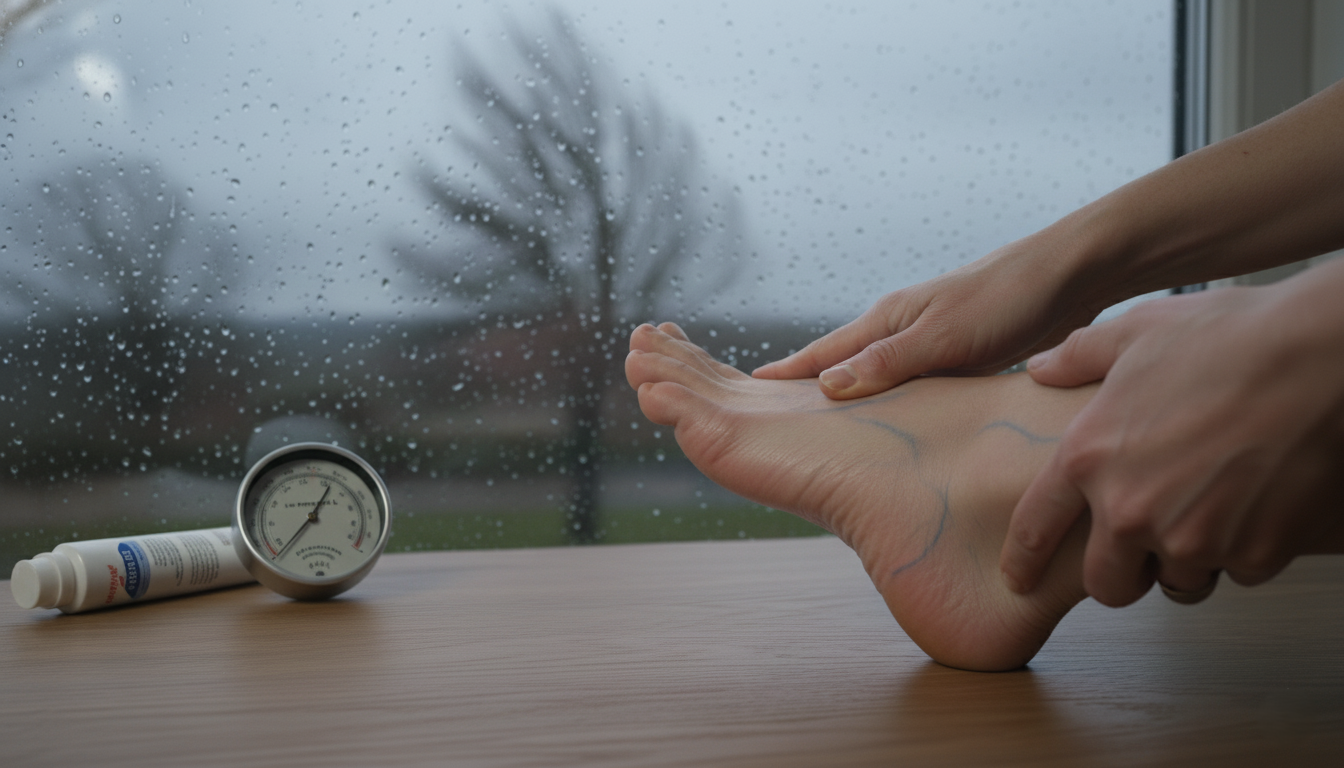
How often do you wake up on a chilly morning and immediately feel a pulling sensation in your heel? Does this happen frequently during these cooler months when the temperature suddenly drops, leaving your feet feeling achy and stiff all day long? You are not imagining this; it has been scientifically proven that changes in weather can have an influence on foot pain, particularly during the winter months.
Factors such as cold air, strong winds, and a rapid change in temperature can cause muscles and tissues in your feet to become tighter than usual. When combined with other stressors, such as prolonged walking or standing all day, combined with all the activities that go along with a busy lifestyle — everything including being constantly in motion — the additional tightness aggravates foot pain.
The amount of time women spend outdoors during the cold winter months leads many women to state that their feet hurt more than usual. There is a clear reason why this occurs.
Cold Air Causes Foot Tightness
Cold temperatures cause blood vessels in the foot to narrow, which results in a decrease in blood circulation to the foot. Blood carries with it warmth, oxygen, nutrients and wastes; when blood flow decreases, the foot becomes cold, stiff, sore and immobile.
In addition to the symptoms above, many individuals often experience an inability to wear certain footwear comfortably because their feet are so stiff. This condition is especially true for people who typically do not experience any problems with their feet but complain of sudden stiffness in their feet during the winter months.
Individuals who typically struggle with plantar fasciitis (heel spurs), flat feet or high arches will notice their feet become noticeably stiffer in the winter. The fascia (plantar) and tendons (high, low or midfoot) support the arches of the feet; when they become tight (cold) they may cause pain first thing in the morning or achiness during the middle of the day.
Sudden Changes in Temperature Lead to Increased Sensitivity
Although cold temperature is primarily responsible for the symptoms above, the speed of sudden temperature changes can also lead to painful feet. Rapidly changing temperature causes the tissues in the feet to expand and contract more rapidly than they normally would. This leads to greater sensitivity to existing pain and the overall discomfort of your feet.
People suffering from metatarsal pain or bunions may feel this sensitivity especially toward evening because of the way pressures on their feet change rapidly at night. As temperatures drop in the evening, the sensation of discomfort and pain begin to build until they reach a level of discomfort by the time the day ends.
Increased Discomfort Due to Cold Floors
Cold Floors Are Unseen Contributors to Discomfort
Do you think bare feet on cold floors are a hidden contributor?
Cold surfaces made from tiles, marbles, and other materials become frigid during cold weather. When your feet hit the cold floor, your body reacts in these ways:
- Your muscles contract,
- The arches begin to cool,
- And the heel becomes tight.
Your body can quickly redistribute its weight due to discomfort.
So, for those who have issues with their arches, this means that winter mornings can be an incredibly painful time of year.
Healthy feet can also become painful due to cold floors. And as such, this is one of the main reasons that people suffer daily from foot pain during the winter months, and many do not recognize that their foot pain is actually caused by the temperature of the floor.
Why Does Pain Feel Worse After Walking or Standing for an Extended Period of Time?
As a result of being cold, the tissues on your feet shrink in size. Walking on cold, tight tissues increases the strain placed on your feet. This is why winter discomfort is most prevalent:
- After grocery shopping
- By walking around the house
- While cooking and doing household chores
- By standing still for long periods of time while at work.
If you have flat feet, this causes your feet to collapse sooner due to the cold.
If you have heel spurs, the cold makes your heel pad less cushioned.
If you require arch support, the cold winter months depletes your arch of support quicker.
In essence:
Cold weather exacerbates the foot condition you currently have.
Why Is Being Warm Important This Winter Inside?
It’s the time of the year when we are spending more hours indoors working, relaxing, cooking, or simply enjoying being cosy. however, just because you’re comfortable inside doesn’t necessarily mean your feet will be comfortable too.
The majority of indoor slippers, especially the thin ones you wear in your home, do NOT provide:
- support for the arch,
- cushion for the sole,
- protection for the heel, or stability.
While being comfortable and warm is important during winter, providing proper support is now even more important for your foot. People often dismiss providing proper support for their feet, thinking “They’re just indoor slippers.” In fact, winter is precisely the time of year when you will need the utmost caring for your feet.
The Importance of Orthopedic Slippers In Colder Weather

This blog discusses slippers as the best footwear choice for winter months; winter foot pain is primarily experienced indoors due to cold floors, stiffness in the morning, dropping temperatures at night, and being indoors for long periods.
That makes orthopedic slippers a necessary foot item for people in cold winters.
Here We'll Show How Slippers Help Relieve Pain, Lots of Benefits, Without Advertising:
✔ Warmth
Soft, insulated slippers help to keep your feet warm to prevent muscles from stiffening up.
✔ Support
Supportive arches take stress off your foot's medial tissues when tight.
(Especially useful for people who suffer from plantar fasciitis and/or flatfoot.),
✔ Shock absorption
Cold winter pain creates hypersensitivity of your feet; cushioned soles decrease shock from hitting the floor when walking.
✔ Heel comfort
Deep heel cups hold your heel in place and relieve the tension caused by cold weather.
✔ Safety at home
Footwear with a nonslip sole provides extra support for maintaining balance when your home flooring is cold and/or hard.
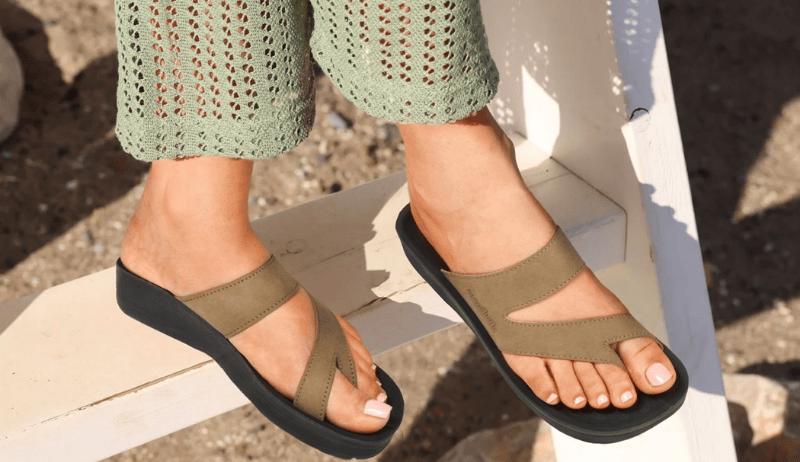
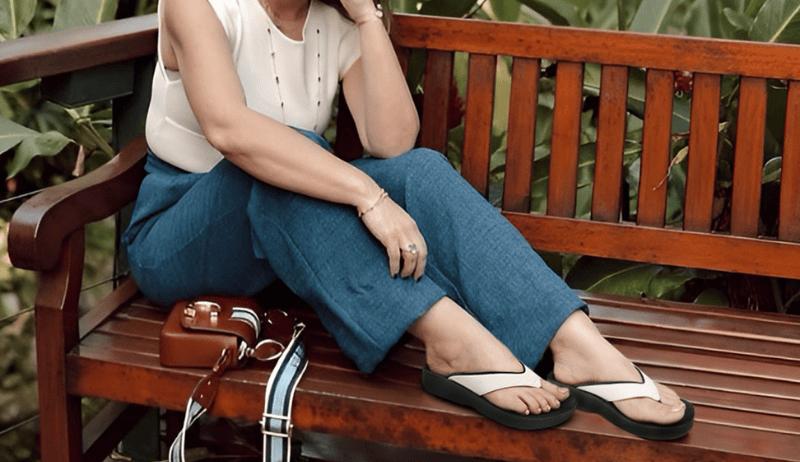
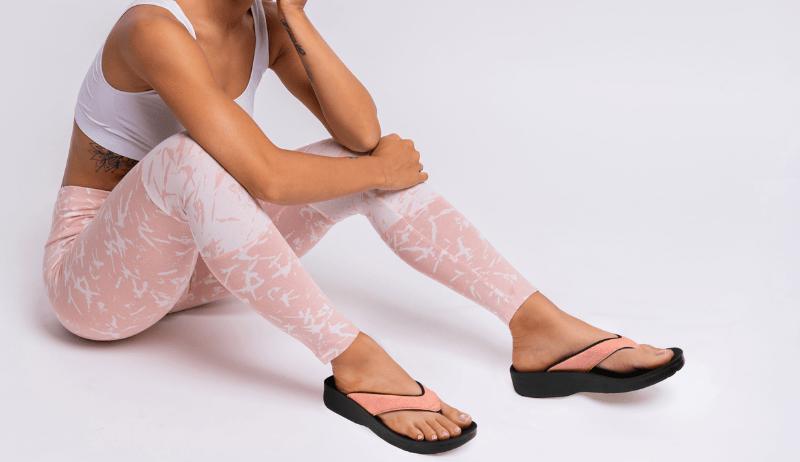
Aerothotic provides both warmth and support to provide both comfort and protection during winter foot pain. They provide protection from cold floors while providing both arches and heels with structural stability to help keep your feet comfortable longer.
Use these small daily habits to relieve winter foot pain.
You don't need an elaborate foot care regimen. Just make a few minor lifestyle changes and you'll do wonders for your winter feet.
- Tuck your feet into your toasty slippers the second you get out of bed.
- Don't go barefoot on cold floors.
- Before you step outside, take a minute to stretch your toes gently.
- Soak your foot on a warm, cushy pillow in the evenings.
- Soak your foot to help relax the arch at night.
- Keep your feet moisturized regularly, especially if you have tightness.
- Using these simple new habits can greatly reduce the unpleasant effects of cold weather on your feet.
The shift in temperatures is not only an inconvenience during the winter months, but it's also one of the ways in which the weather directly impacts how we feel on our feet. Cold weather results in less circulation to the feet and causes tissues to tighten around them. Therefore, the likelihood of pain developing quickly and persisting longer during winter is much higher than during the other times of year.
By using warm, supportive footwear indoors, you'll eliminate much of the strain your feet typically feel during the winter. Just putting on a pair of orthopedic slippers after taking off your shoes at the end of the day is enough to keep your feet relaxed and supported while performing all of your daily tasks without placing too much additional burden on your feet. Since your feet will be more comfortable, this means that winter will feel much easier for you.