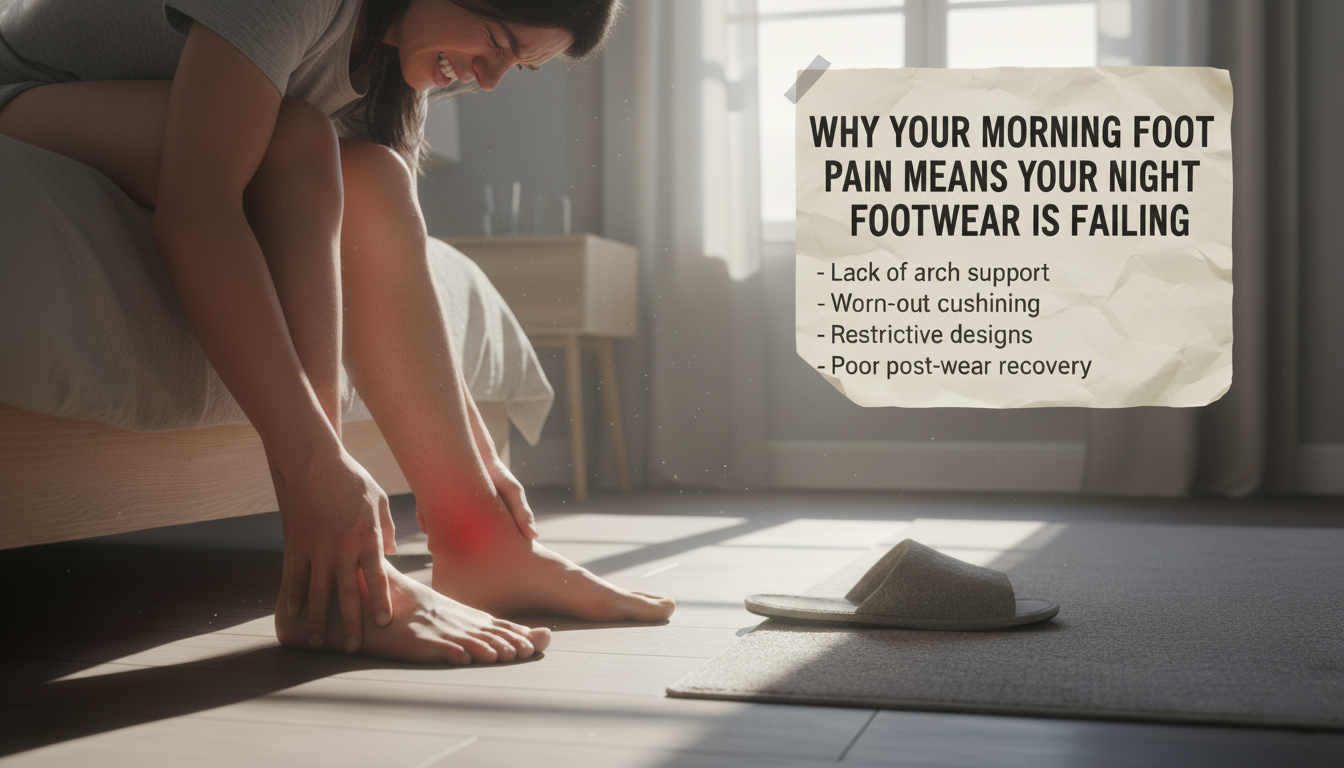
Typically, people attribute their morning foot pain to long days, hard floors, or the cold of winter. The actual source of the pain occurs in a place you would hardly think to question—it is in your nighttime footwear. What you put on your feet in the hours leading up to bedtime affects the health of your arches, heels, and joints in the morning without your knowledge.
If your first few steps of the day feel tight, sore, or sharp (especially after you get out of bed), you're not the only one. This is one of the most common signs your evening shoes, slippers, or sandals are not giving your feet the support they require at the most restorative period of the day.
This article goes over why this occurs, discover how your nighttime habits can create morning pain, and what shoe choices may eliminate the issue.
The Relationship Between Morning Foot Pain and Evening Footwear
When you are sleeping at night, your feet are at rest, to the point of being too rested. Soft tissues, such as the plantar fascia, shorten while you may be sleeping. Your body expects supportive footwear in the evening to keep your arch stable and aligned. Most people, however, change into their softest, flat, and least structured foot wear after coming home.
Here is what actually happens:
You walk around in women's fuzzy slippers or a simple pair of home slides without any structure.
- As the night progress, your arches collapse inwards further.
- Your plantar fascia remains strained until going to bed.
- Overnight while you sleep, it tightens further.
- You stand up in the morning—sharp pain in the foot.
That scenario becomes even worse during the cold months. Many customers prefer winter slippers that will keep their feet warm instead of being supportive. Warm feet feel great, but unsupported feet create pain that starts the next day.
The Concealed Footwear Errors Individuals Commit at Night
 Nighttime routines are subtle change. You are fatigued, lounging, and primed for comfort—not a structure. However, those little choices create big issues:
1. Wearing Soft, Flat Slippers for the Duration of the Day
Soft is not synonymous with supportive.
For most soft house slippers, the material compresses under your weight and provides little, if any, resistance to the arches of your feet.
Your foot is effectively “collapsing inward” for hours on end.
2. Walking with Bare Feet on Hard Flooring
Tiles, cement, and laminate floors create pressure.
Without any type of support or cushioning, your heel and arch are accepting all of the shock on an everyday basis.
3. Using Old or Worn Footwear Around the House
Slippers and sandals break down more than you think.
Usage for a year, and most, if not all, of the supportive material has already broken down, regardless of how they look.
4. Relying on Non-Supportive Footwear For Winter
Cold tightens the muscles and reduces circulation.
There you have the worst of it, with all of the non-supporting footwear together with the cold tightness for the heel and arch.
5. Wearing Slippers with Loosely-Attached Back Straps or No Grip
Wearing slippers that your foot slides in and out creates micro-movements in your heel and forefoot.
If these patterns sound familiar to you, then the result of the following day's pain is simply the "result" of the previous evening's evening .
How Your Nighttime Footwear Contributes to Specific Morning Foot Pain
The footwear you wear at night impacts a number of foot problems. Here’s how:
Plantar Fasciitis
If your slippers are supportive, your plantar fascia might be stretching over and over again.
This may cause common morning symptoms like:
- sharp pain in the heel
- stiff arch
- burning pain upon getting up for the first time.
Pain Related to Flat Feet
If you have flat feet and provide insufficient arch support, the arch collapses and the foot rolls inward.
Tissues on the bottom of the midfoot are overstretched and fatigued in the morning.
Compression of the Heel Fat Pad
If you sleep in thin or soft shoes, which puts pressure directly on the heel pad, you will wear out the cushioning under your heel over time while you sleep, which will lead to pain levels when you wake.
Tight Foot Due to Cold Temperatures
This is especially common in the winter time:
The colder you let your feet get at night, the more your muscles will contract.
It is good to warm your feet in winter slippers for women; however, warming the foot up will also not protect the arch.
Why Support is More Important at Night Than at Any Other Time
- Your body believes your home environment is safe, and therefore it shuts down.
- You move differently—more leisurely in foot placement.
This "carefree walking" adds additional strain:
- Your arch falls as you shuffle your feet.
- Slippers made from too soft of a material do not hold the foot in a correctly aligned position.
- In addition to the poor structure, if you are swollen by the end of the day, the softer shoe becomes even more problematic.
- You do not feel the damage until the morning, but it occurs at night.
This is why purchasing arch support slippers for women, or some flexible structured sandals to wear in the house, is a necessity—not an option.
How to Fix the Pain the Next Morning, By Upgrading Your Footwear for Nighttime
 Now let’s talk about not just advice, but real, practical, advice based on biomechanics—not trendy fads!
Step 1: Substitute Soft and Flat Slippers With Ones That Actively Support
This is the largest "fix" for you right now.
Look for:
- built in contoured arch support
- firm mid-sole
- deep heel cup
- firm sole that is non-slip
a shape that follows the natural curvature of the foot.
Making them warm is okay. But having structure is more important.
If you a fan of the cozy feel, buy fuzzy slippers for women that have the orthopedic type structures—not the kind you find in a supermarket.
Step 2: Select Indoor Sandals That Have True Arch Support
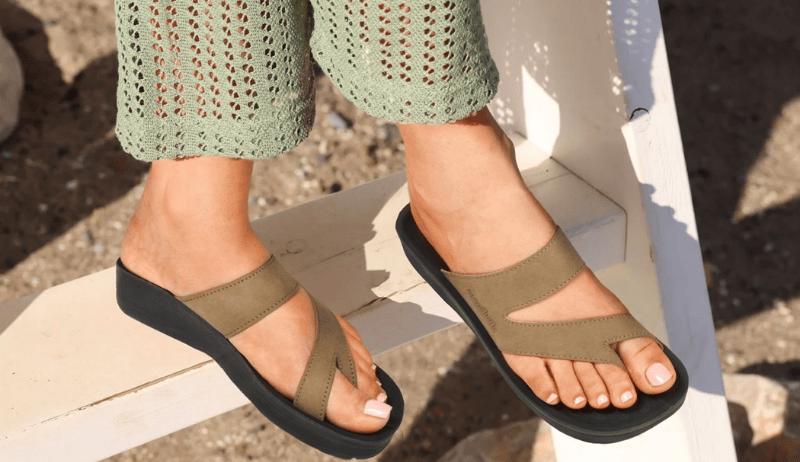
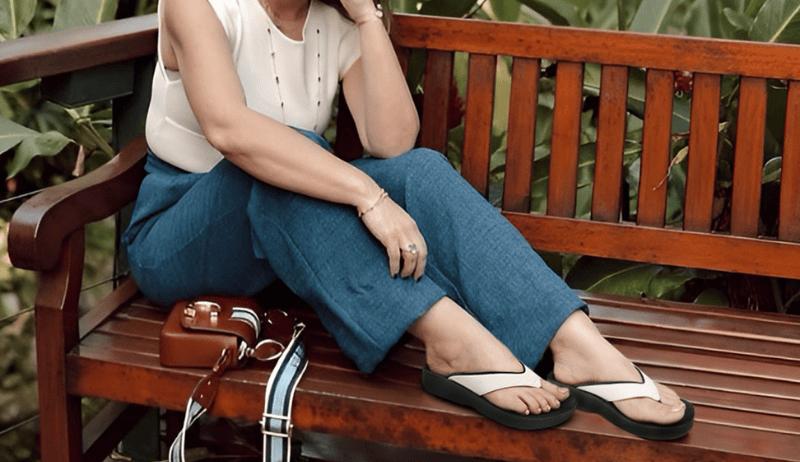
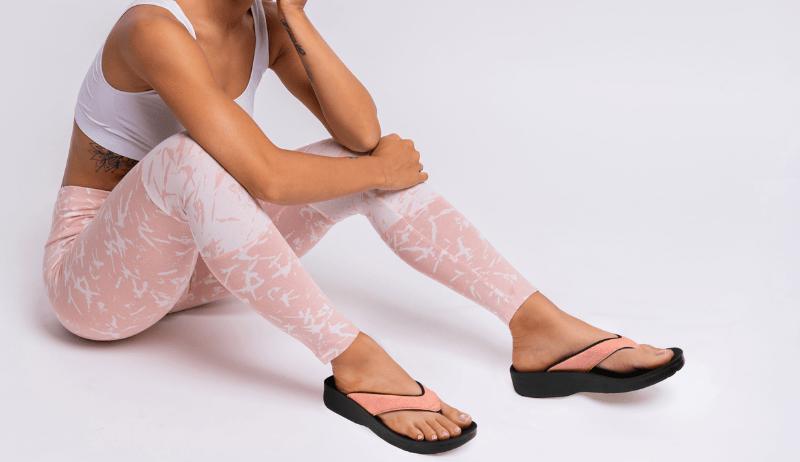
For many people, a Women’s pair of Indoor Arch Support Sandals work much better than slippers.
Orthopedic Sandals give you the perfect comfort and have:
- support
- alignment
- breathable material
- shock-absorbing soles
These are perfect if you have hard floors, a must-have!
Step 3: Change Your Footwear Depending on the Season
Winter footwear should be:
- insulated
- structured
- a little firmer
Summer home footwear should be:
- breathable
- cushioned
- with support
Many people wear the same footwear all year round- this is a HUGE reason for long-term pain!
Step 4: Don't Walk Barefoot Indoors if You Have Arch Problems
Walking around barefoot is natural, EXCEPT on ceramic tiles or concrete!
If you feel pain in morning- walking barefoot for the rest of the day is likely the reason.
Step 5: Change Your Indoor Footwear Every 6-9 Months
Even the most amazing slippers or sandals compress over time.
Your arch support slowly degrades without you realizing it.
Checklist for Pain-Free Shoes at Night
If your existing slippers do not meet any of these criteria, it is past the point to replace the shoes.
- Is there visible or firm arch support?
- Is the heel cup at the back deep and stabilizing?
- Does the midsole feel slightly firm; is it not flimsy?
- Is your foot staying centered in the slipper; without sliding?
- Does it offer arch support when your weight is shifted?
- Does it feel steady under foot; is it wobbly?
Supportive slippers should make your foot feel “held” not just "covered."
How Winter Makes the Problems Worse
Colder months create more foot pain, especially if you wear soft shoes in winter!
Here's why:
- Cold creates tightness in the plantar fascia.
- Circulation decreases and tissue healing is slowed.
- Winter floors feel harder which means more pressure.
- Gait is less barefoot and more either soft and warm slippers.
This is the season in which wearing arch support slippers for women or Orthopedic Sandals is so necessary.
How the Right Slippers Can Prevent Nighttime Damage
The right slipper not only limits pain, but it prevents pain from occurring at night.
Here is how supportive slippers are useful:
- They stabilize the heel so tissue doesn’t excessively elongate.
- They support the arch to avoid total collapse after a long day.
- They hold the plantar fascia ever-so-slightly elongated, not stretched tight.
- They absorb some of the impact on hard flooring surfaces inside the house.
- They keep the foot warm without losing tissue support.
- You wear footwear for 3 – 6 hours each night.
That's a long enough time period where nighttime damage occurs... or healing occurs.
When Should You Get an Evaluation?
You should get a medical evaluation when:
- morning pain lasts more than a half hour.
- it continues to get worse over a few weeks.
- you experience stabbing pain in the heel.
- swelling, numbness or even tingling develops.
- you begin to see flattening of the arch.
In 70% of issues, footwear alone will solve it; however, if the pain persists you need an appropriate assessment.
Concluding Remarks
Morning foot pain is NOT a mystery—it explains whatever your feet had been exposed to the previous night.
Those warm, soft slippers that so many people love, are often the greatest culprits of pained heel soreness, arch stiffness, or plantar fasciitis. But, by upgrading to some good quality - supportive, arch-sourcing slippers or indoor Orthopedic Sandals, you can end the vicious cycle, very quickly!
Your feet deserve support throughout each day – including the hours, you think, your feet are "resting".
It is time to change your nightly footwear and finally enjoy your mornings pain free.