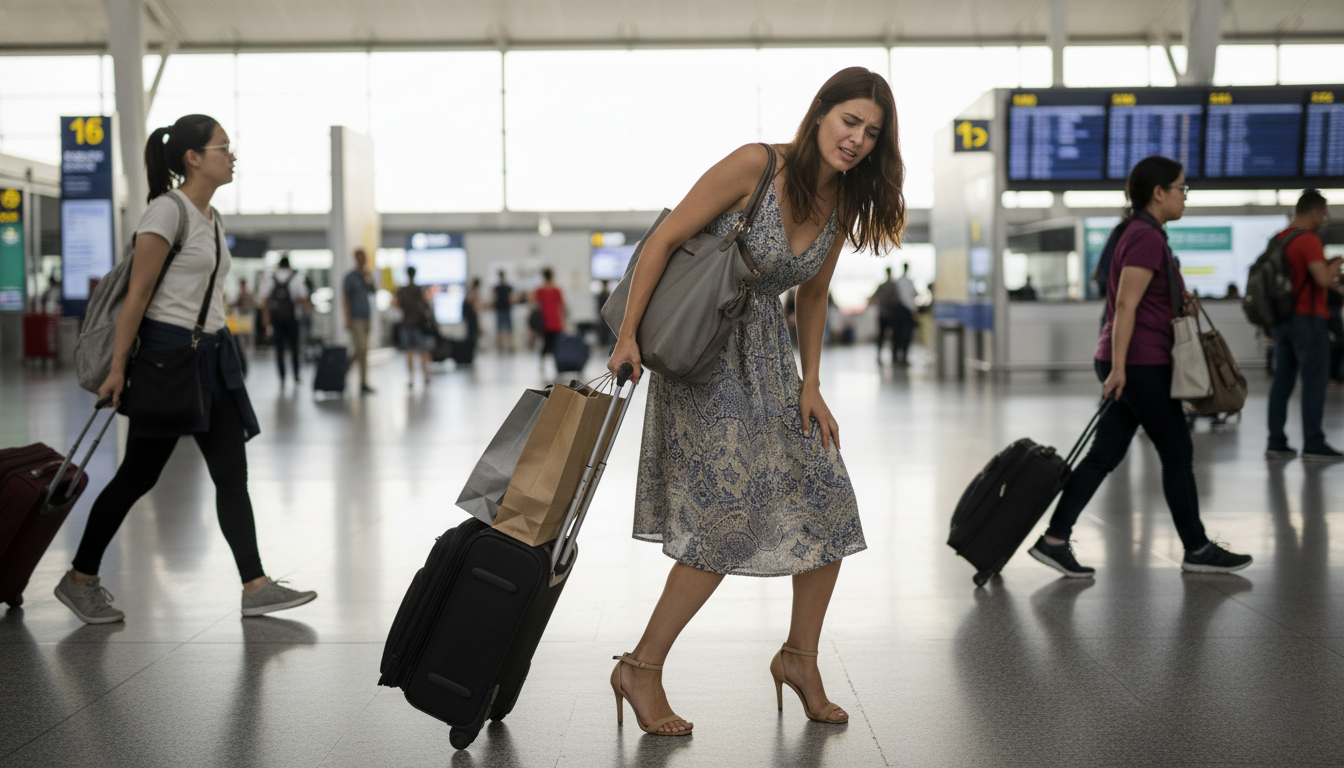
While most travelers anticipate hectic crowds and long delays at the security line, few realize that the origins of their discomfort will be due to pain in their feet. In fact, airports are a notoriously painful place for most travelers to have foot discomfort—heel pain, arch pain, swelling and soreness are not uncommon, either with or without pre-existing issues. Even regular travelers who do not experience discomfort during their regular routines often find themselves in excruciating pain walking from the parking lot to the gate, waiting in line, or hauling bags around airport terminals.
This isn't by complete chance. Airports are unique environments that put additive stresses on your feet. With airport travel and activity, combined with unhelpful footwear, and LONG hours on your feet, you will find yourself with what we can refer to as the travel foot trap--pain that begins small and eventually creeps up on you until you are relieved of pain by the airplane seat or check-in at the hotel.
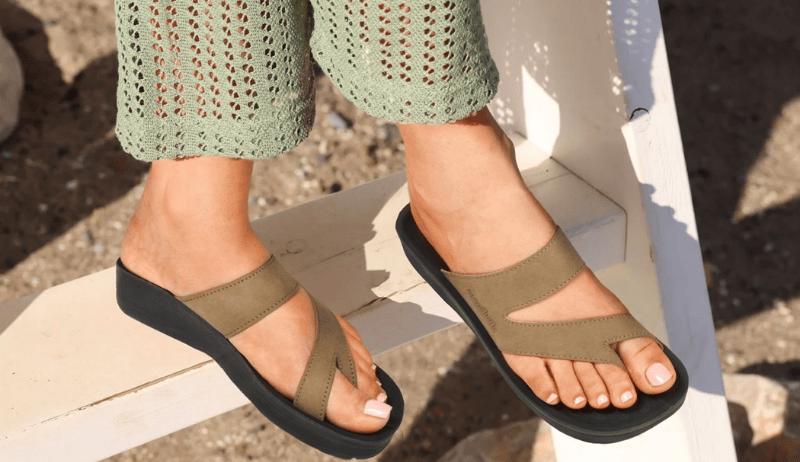
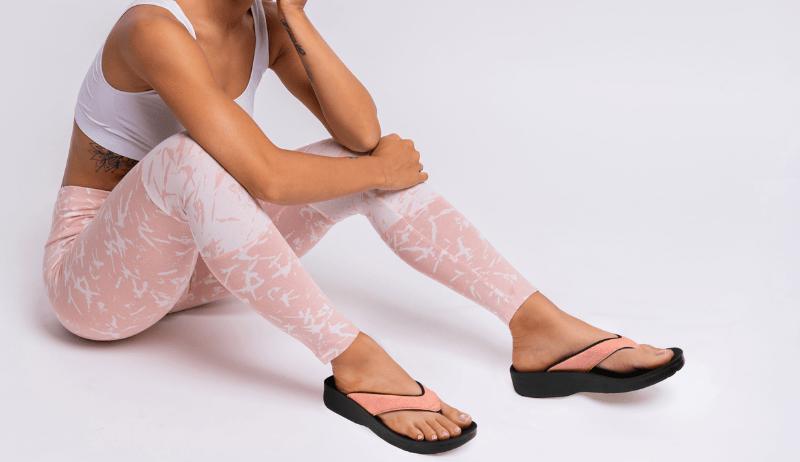
Knowing how airports impact on your feet is the first step in preventing this discomfort. The second aspect is adjusting your habits and shoe choices, including supportive travel-friendly designs such as orthopedic sandals for women, recovery sandals, and Women's Arch Support Sandals.
Reasons why Airports Make Foot Pain Worse than Walking in Daily Life
 Airports are built to be durable, not comfortable. The type of flooring, spatial preload, and passenger flow increase stress on the foot. Because everything is oversized—terminals, concourses, walkways, escalators—you end up walking much more than you anticipated—even on short trips.
The flooring is a key contributor to foot discomfort. Airports are loaded with stone, tile, and solid concrete that are visually appealing but do not absorb shock. You will feel the percussive force of every step go directly into the heel and arch of the foot. If you typically rely on shoes with supportive soles at home, such as orthotic sandals for women, or sandals for women's plantar fasciitis, this visual appeal comes with a cost.
In addition to having airport-style flooring, being in the airport requires long stretches of standing with little or no movement. Queuing at security checkpoints, check-in lines, boarding lines, and sometimes even bathroom queues during peak hours. Being still in an upright position exerts more force on the arch and base heel than simply walking in any direction. Many travelers, without fault on their behalf, will start to notice they feel a burning or throbbing halfway through waiting, and will already have fatigue at the moment they get to the gate.
Another less noticeable, but significant variable is luggage. Even roll-on pieces will change how we posture. You'll lean slightly forward, your stride will change, and the pressure changes in your foot. Any time you are carrying additional weight in a shoulder bag, it’s worse. The feet have to work harder than they normally would to stabilize the body, and this increased load gets transferred to the foot arches as well.
Add a time pressure element, such as running to catch a flight, running between terminals, or changing gates—and the stress increases.
By the time you sit on the plane, damage has already begun.
How Flying Creates Even More Foot Discomfort
Once you board the plane, we impose another variable. Sitting for extended periods decreases blood flow and promotes swelling, with swelling most commonly seen around the ankles, and the top of the foot. While sitting, the plantar fascia also becomes stiff. This is why some people experience a sharp pain, or discomfort when they stand at their destination.
If the shoes are tight, flat, or have no support, the pressure increases. Tight shoes feel worse as the foot swells. Non-supportive, flat shoes require the arch to collapse the fascia, because while the foot is not working, its elasticity is compromised. This is why many travelers switch to recovery sandals, or Women's Arch Support Sandals, for their foot on the way to their destination; they finally can give the foot
Your Shoes are More Important While Traveling Than Any Other Time
Most people choose airport shoes based on convenience. Slip-ons, flats, trendy sneakers, or even flip flops look like the easy way to get through security, and will last all day. But that is exactly the style that increases pain on hard surfaces and waiting times.
The right shoes become your entire shock-absorption system while at an airport. They stabilize your heel, support your arch, help alleviate fatigue, and protect your plantar fascia from collapsing as you navigate a large terminal.
Shoes made for travel should not feel soft and flat, but feel supportive. This is why many travelers swear by design features, structure and a layer of cushion like; orthotic sandals for women, and high-end recovery sandals. They reduce strain caused by standard airport flooring and help feet stay aligned, even with the burden of luggage or standing in lines.
Whether you prefer sandals, sneakers, or supportive slides, the concept remains: your footwear should absorb the majority of the stress so your feet don't need to.
Practical Solutions to Prevent Foot Pain at the Airport

Preventing foot pain while traveling is not about a complicated process but just some simple strategies that protect the arch, heel, and forefoot during your time traveling.
One thing that is important is to start your trip wearing shoes that will provide support from the time you leave your home. Starting off in weak shoes leads to fatigue early in the day. Starting off your day in supportive shoes that provide proper cushioning and arch support creates a base to travel on for long walks, lines, and standing for long periods.
The same way you have to travel long distances you may want to change shoes at the gate. After walking several miles inside the airport you might try switching into recovery sandals or walking women’s arch support sandals to give your feet fresh support during your travel and relief in offloading the areas of the foot that were overloaded early in your trip.
Same as how movement helps during travel, with foot pain, is just as important. Stretching calves, rotating ankles, and flexing the toes every time you are seated helps to keep blood circulating and help prevent further tightness. Taking small breaks from long periods of waiting around can help off load some compressive pressure before it builds up after standing in line.
Hydration is also another considerable factor as well. Dehydration will amplify any swelling as it reduces the elasticity in the fascia. Water helps keep all your tissues as pliable as possible.
Beat Airport Foot Pain Before It Starts
People do not always realize that travelling by air can be taxing in ways that they cannot fathom. Long distances covering hard floors with heavy bags while standing still creates a predicament by overworking our feet and leading to pain almost guaranteed—unless you prepare your feet with good habits and footwear.
You can protect your feet from extreme conditions that airports naturally create by wearing either orthopedic sandals for women, cushioned recovery sandals, or travel-friendly Women's Arch Support Sandals.
When your feet are supported, aligned, and cushioned well, you move better, feel better, and travel without the feeling of discomfort that so many are lead to believe is "normal".
If you would like, I can write your next blog topic or revise this article for social media.