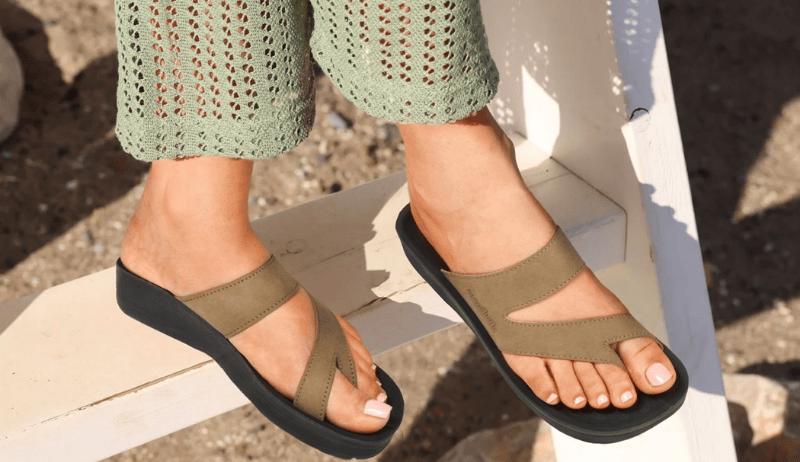
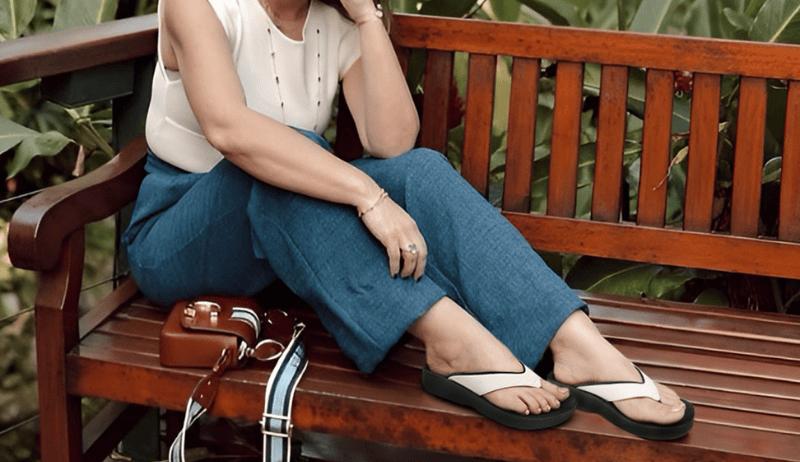
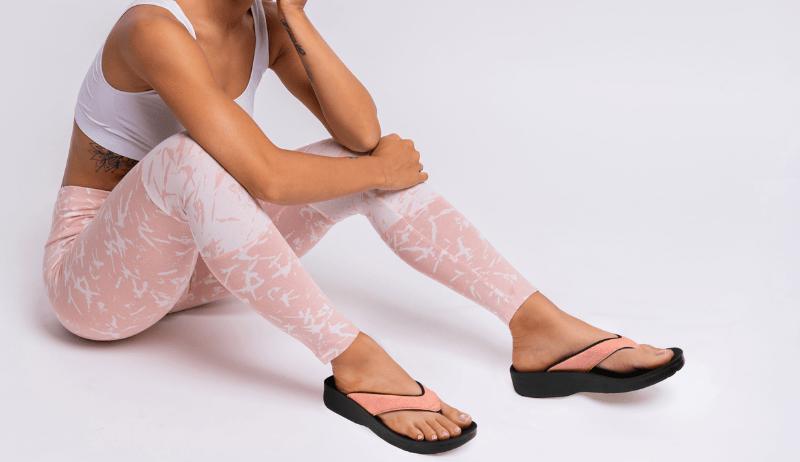
Once the temperatures drop, most of us put away our airy, breathable shoes (flip flops) and take out closed, warmer footwear for winter (boots). However, and usually within a short time of wearing your new shoes, you will often notice that you have developed discomfort on your feet, symptoms such as heel pain, tight toes, and burning sensations around the sides of your feet. This can be confusing for many people, as it can be difficult to understand how switching to more supportive footwear can result in having pain when you haven’t experienced it previously.
The condition described above is known as seasonal shock, and it’s more common than many people think. During the warmer months, people become accustomed to wearing sandals that allow them freedom of movement and airflow. When you switch to closed, winter footwear, the pressure on the foot, alignment differences, and lack of adequate support creates problems for the body, which has now become accustomed to being in an open sandal environment.
In this post, we will explain why individuals experience seasonal shock, hear from foot care professionals regarding the causes of seasonal shock, and learn how wearing supportive shoes can prevent seasonal shock from occurring at all, by choosing the right type of support, such as Orthopedic Clogs, Women’s Comfort Clogs, or Clogs with Adjustable Buckles.
Reasons for Seasonal Shock:
1) Summer Foot Spread
(feet tend to expand in size through increased blood flow due to heat, muscle relaxation from heat and you spend more time wearing open shoes), sandals allow our foots' toes to 'splay', and arches to stretch. Therefore, when summer is over and we wear structured or closed shoes, those same feet are then forced back into a constricted position that puts excess pressure on areas of the feet that were previously free (toes) and creates inward pressure on our forefoot. This will cause discomfort for all people who have 'wide' feet, who have mild bunions, and especially those with "flat arches".
2) Change How Your Feet Work
Sandals do not offer much in terms of structural support. The foot itself (without the support of sandals or shoes) does most of the stabilizing of the foot while sandal are worn. However, switching from a sandal to a shoe (structured, heavy) will change how you walk (gait). Closed shoes usually have firmer soles, more weight than sandals, and a different heel-to-toe angle; thus, you must reacclimate your muscle(s) to walking in closed shoes. Until that is accomplished, it is extremely common to experience soreness from changing footwear from sandals to closed shoes.
3. Areas of Pressure on Your Foot Change:
A shoe's shape distributes pressure on your foot differently based on how it fits. The pressures for sandals are on your heel and midfoot, but when wearing a shoe that is closed at the top, the pressure moves.
The pressure shifts toward:
- The Big Toe Joint
- The Arch
- The Ankle and Heel Cup
If your foot is sensitive or you have had plantar fasciitis or other problems, the shifting of this pressure from sandals to a closed shoe can create strain on your arch or soreness in your heel.
4. Wearing Socks Affects The Way You Move & Run:
Most people wear socks under their winter shoes. Socks add to the thickness and cushioning of the foot. Even a few millimeters of fabric makes a difference in how the:
- Toes grip
- Heel sits
- Arch aligns
Socks make it slippery inside the shoe. This allows the toes to squeeze harder against the shoe, creating cramping of the toes.
Who Experiences Greater Discomfort Due To The Change In Seasons From Sandal To Closed-Toed Shoe?
Every person may experience discomfort during the sandal-to-socked shoe transition, but certain individuals are more at risk than others, including:
- People who have either hyperpronation or hypopronation
- Individuals who have mild to moderately severe plantar fasciitis
- Individuals who wear narrow sandals in the summer
- People who frequently walk long distances every day
- Individuals who stand for extended periods at work.
As a result, most podiatrist recommend transitional footwear, primarily supportive clogs, when transitioning from sandal to closed-toed shoes for the seasonal transition.
How Supportive Clogs Help Reduce Seasonal Shock:
Clogs have evolved into more than just footwear worn in the medical field and at home. Modern support clogs, primarily orthopedic support clogs for women, provide a comfortable alternative to seasonal discomforts.
Here’s how:
1. Supportive Clogs Are Roomy for Natural Toe Splay:
Most clogs designed to be supportive are designed with a wider toe box than other types of shoes. Since most people wear open sandals during the summer months, this is important because the toes are accustomed to being in wide open spaces. Like sandals, orthopedic support clogs for women are designed to give women’s feet room to grow and breathe.
2. Supportive Clogs Have Proper Arch Support:
Arch stability is critical in minimizing pain during seasonal transitions. Without proper arch support, the plantar fascia in one’s foot will continue to be over-stretched, causing acute pain in the heel.
Supportive clogs for plantar fasciitis minimize this:
- By holding the arch in place
- By decreasing the stress on the heel
- By distributing pressure evenly throughout the foot
Thus allowing the foot to adjust slowly as the temperatures decrease.
3. Supportive Clogs Minimize Heel Impact:
Due to the rocker sole design of most clogs, heel impact is minimized. The shock absorbed with every step is softened when wearing this style of footwear. Therefore, this style of footwear is recommended for individuals who routinely experience discomfort in their heels when tClogs are
4.Simple to Put On and Take Off:
Your feet will generally go through some swelling as a result of the transition period, so the type of shoes that are best will be those types of clogs that have a buckle strap to allow for further ease of access and fit for the varying sizes. This allows you to be accommodative to the changes in the size of your foot on a regular basis without causing irritation and/or compression on your foot.
5.Clogs Create Transitional Types of Footwear:
A clog is the perfect transitional type of footwear between summer flip-flops and winter boots. While a sandal provides comfort and airflow, a clog provides a structured and supportive fit without being overly constricting to the foot. When a foot has been properly transitioned into a clog, it will make transitioning to warmer footwear in a more supportive shoe much less painful.
emperatures are colder.
5 Incidents of Typical Foot Issues Created by the Change in Seasons
The next few paragraphs outline how a person's foot can be affected by the changing of seasons if seasonal shock is not addressed:
1. Plantar Fasciitis
The sudden change in pressure from sandals to shoes can irritate the plantar fascia. Without adequate support, micro-tears may form in the fascia, leading to severe pain in the mornings.
2. Toe Cramps
When shoes have narrow toe boxes, this forces the toes into an enclosed area and creates:
- Muscle soreness
- Tingling feelings
- Forefoot burning sensations
3. Heel Spurs that You Notice More
If a person had heel spurs before, the movement from open to closed shoes will make the symptoms worse because closed shoes have firmer heel cups.
4. Increased Pronation
When an arch falls inside a closed shoe that doesn’t provide support, excessive inward rolling of the body will cause pain in the knees and hips.
5. Nerve Compression
When a shoe presses on the foot's nerves along the sides or on top of the foot, it can cause problems for people with wide feet.
It is possible to reduce—or eliminate—these conditions by wearing shoes that are designed to provide support as well as allow for natural movement of the foot.
Creating an Easy Transition
1. Gradual Change with the Wearing of Shoes
When making the transition from sandals to closed shoes, do not jump right in; take it gradual and begin wearing closed shoes as follows: On day 1, you will wear for 1 hour; on day 2: you will wear for 2-3 hours, and for day 3, you will wear the shoe for half the day. Taking the time to acclimate to your feet will allow your foot muscles the time to adjust to your new shoe.
2. Comfortable Clogs While at Home/Work
Rather than instantly going to wear tight shoes or boots in the cold weather, try easing into it with a comfortable clog that has been designed for your comfort and the style of your clothing. With a good looking comfortable shoe that allows your foot to move freely, you will have the structure of a shoe without creating a lot of pressure in a restrictive shoe.
3. Avoid Flat, Unpadded Shoes
Ballet flats, flat pumps and stiff loafers are not good choices for people who are making seasonal footwear changes. It is always better to select shoes that offer arch support, ankle stability, and cushioned soles.
4. Use Orthopedic Sandals As A Relaxation Footwear
Although the weather does get cool, remember to continue to wear and enjoy the comfort of your orthopedic sandal by wearing them inside the house for a few hours every day; they help maintain your arch alignment and have no foot or joint pain.
5. Select Adjustable Footwear Such As Clogs With Buckles
By wearing this shoe style, you have the ability to loosen the fit if your feet are swelling and thereby eliminate foot pain associated with compression.
When to Select Clogs Instead of Other Types of Shoes
The best time to wear clogs is:
- When you will be standing for long periods of time
- If by the time you get home in the afternoon your feet are swollen
- If you require good support for your feet as well as toe space in your shoes
- If you are beginning to feel heel pain and don't want to wear a heel height of more than 1 inch
- If you want a gradual transition from sandals to a closed shoe.
If you are dealing with plantar fasciitis, supportive clogs will benefit anyone who awakens with foot pain due to not sleeping long after that or who does a lot of walking throughout the day.
Give Your Feet Time To Adjust To A New Season
Seasonal foot discomfort is a common issue; however, the problem is actually caused by the lack of body mechanics (i.e., the way your foot moves) when you switch footwear styles from sandals to closed shoes. The great news is that if you know how to manage these transitions with the right footwear, you will not experience this type of discomfort.
Comfort clogs and women’s orthopedic clogs provide a transitional footwear option that allows for maximum foot freedom that summer sandals provide, while also adding the much-needed arch support required in cooler weather. Whether you decide to use a clog with adjustable straps or a supportive clog designed for plantar fasciitis, the objective remains the same: allow your feet the time they require to adjust.
Providing your feet with support at this stage can potentially save you from many months of unnecessary pain at a later date.