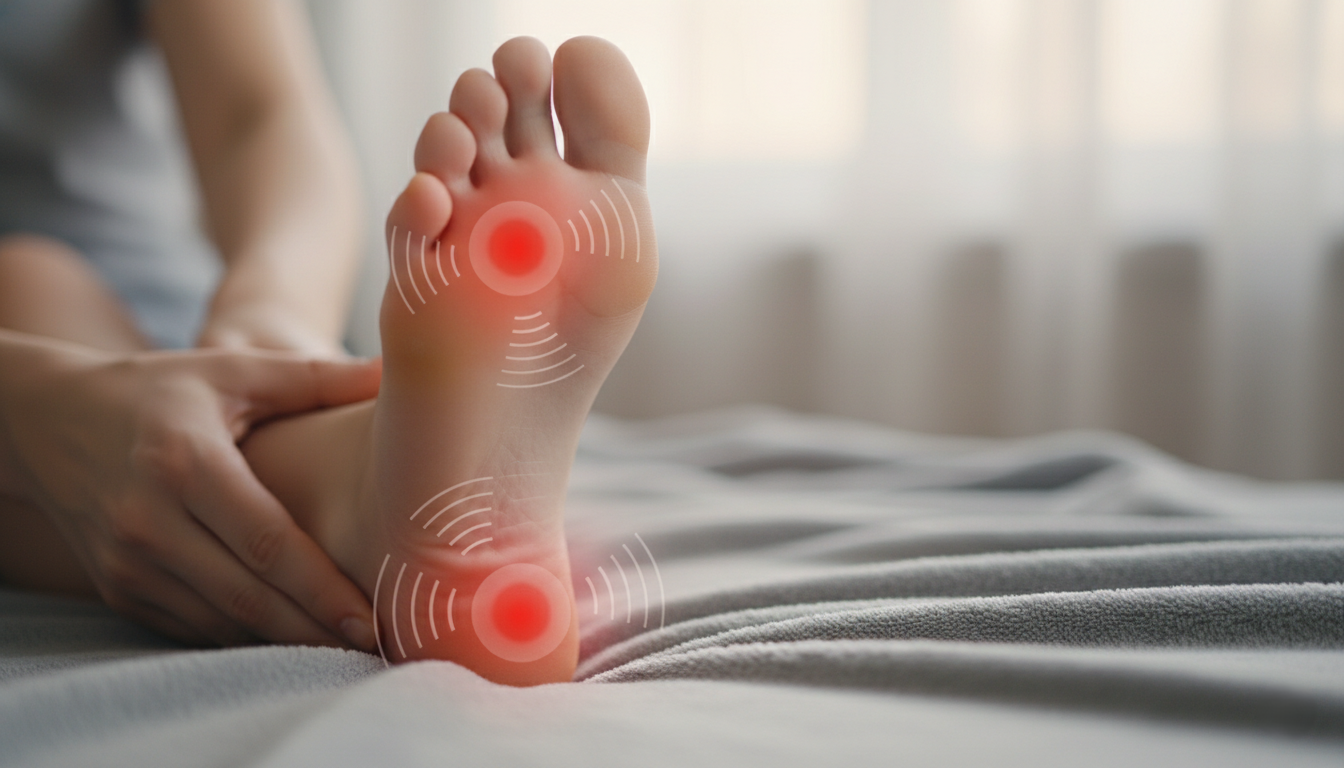
If you've ever experienced foot pain that begins in your left foot one month and then shifts to your right foot the next, you are not alone. The common belief is that this "switching sides" issue indicates something new is wrong, but it is often due to an imbalance, compensation, and a worn walking pattern.
Foot pain is rarely symmetric. Once one foot starts hurting, the opposite foot will create additional stress to protect you, causing it to eventually develop its own pain. This cycle of pain continues, alternating between foot to foot, and although the pain switches feels random, it is predictable.
Here is the surprising fact!
Your footwear is a significant contributor to this chain reaction.
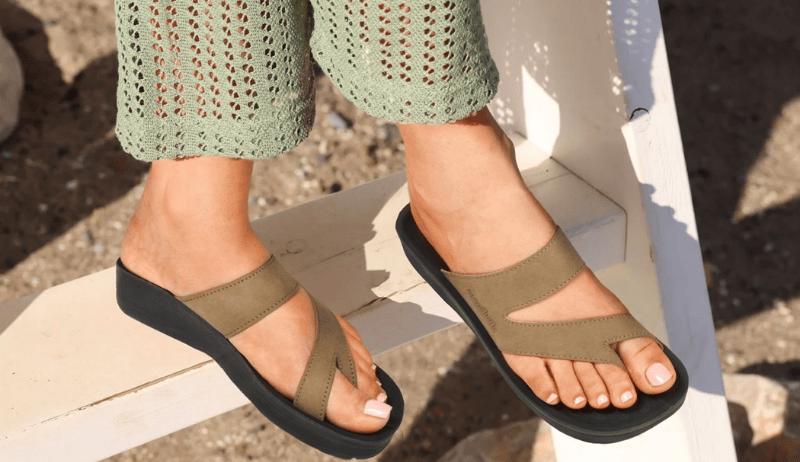
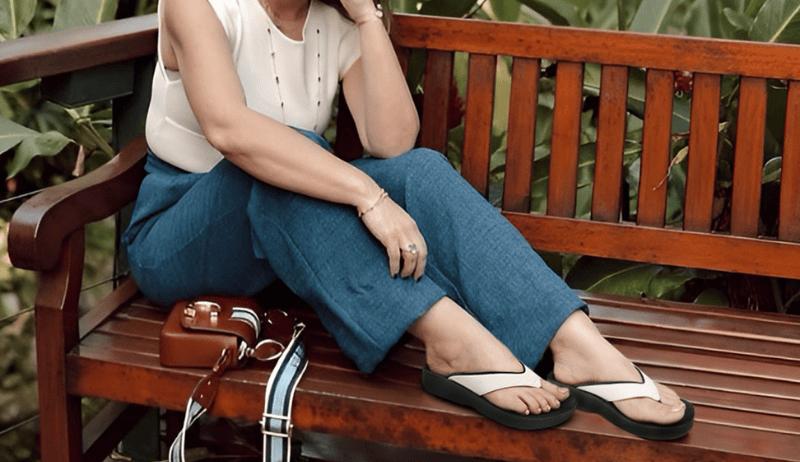
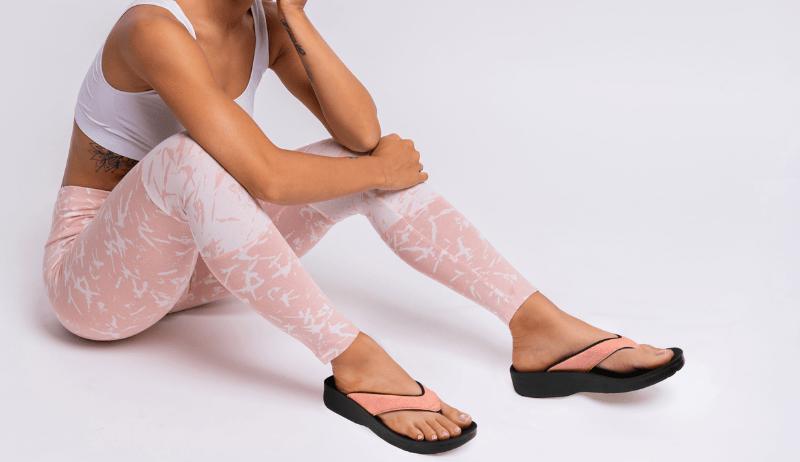
The wrong shoes can begin the imbalance, and the right supportive shoes can significantly alter or break the cycle entirely. Think orthopedic sandals, recovery sandals, plantar fasciitis sandals for women and Women's Arch Support Sandals.
Now let's dive into the specifics of why foot pain shifts side to side, what underlying problems are contributing to the shifting foot pain, and how the right footwear can realign your body, and restore balance and health.
Why Does the Pain In Your Foot Switch Sides?

Reason #1: Your Body Compensates with Out Even Realizing
If you are having pain in one of your feet, you will subconsciously shift your weight to the other side. This will cause:
- Uneven weight bearing
- Overuse of your "good" foot.
- Strain on the ankle, arch, and heel.
- Changing your posture and gait.
Before you know it, your "healthy" foot is being overused and it starts hurting too.
This Is the Top Reason Pain in Your Foot Switches Sides
When you are limping (even a little) your body is trying to adapt to it. But adapting has its own challenges.
When the foot is not supported, the "strong" foot collapses under the pressure and you might experience:
- Tension in the arch
- Inflammation in the heel
- Inner foot pain or outer foot pain
- Overpronation or supination
The problem is never just the foot that hurts—it is the entire sequence of events.
Reason #2: Muscle Imbalance in the Legs & Hips
Your feet are not alone while you are walking. Both ankles, knees, hips and your core are involved with every step that you take. If one side is tighter, stiffer, weaker etc., the other foot has to compensate for it in some way.
Here are some common imbalances that adjust your foot pain:
- One hip is higher
- One leg is a bit longer
- One ankle is stiffer
- One foot pronates more
- One calf muscle is tighter
Even just an imbalance of only 1–2 mm can create alternating pain or discomfort for participants especially if they regularly stand, walk and/or run.
The ideal footwear—especially with orthotics sandals for women or Orthopedic Sandals—helps shift your weight evenly on your feet and stop those minor imbalances from becoming an issue.
Reason #3: Your Arches Slowly Collapse Over Time
People don’t even know their arch is lower than the other arch until it causes pain. Once the arch drops a bit, it changes how your foot absorbs the impact and that weaker arch foot will start to hurt or be painful first.
Then once your brain recognizes that, it subconsciously shifts you weight away from it, which places increasing collapsing load on the other foot.
So now you have:
- Plantar fasciitis
- Heel pain
- Midfoot strain
- Toe pressure
- Knee and hip misalignment
But your shoes are "fashionable" and don't provide you with arch support, so that will accelerate & bad lower limb biomechanical alignment.
However, with structured shoes—like Women’s Arch Support Sandals or other types of women’s shoes with arch support—can help support your arches and shift your weight properly.
Reason #4: Wearing Shoes That Wear Unevenly
If your shoes are tilting to one side, your body is going to tilt to one side.
Most people do not realize when their shoes are no longer even, however, it is a massive influence on your body:
- One foot rolls inward more
- One foot rolls outward more
- One heel is hitting harder
- One arch is working harder
This results in the pain on each of your sides to shift side to side over time.
Take a look at your shoes:
Lay them flat on a table.
If they tip in or out, they're already changing your alignment.
Switching to an orthopedic sandal with a properly supportive and stable footbed can instantly correct this.
Reason #5: Walking Barefoot on a Hard Floor
Walking barefoot on a tile or wood floor is one of the top reasons for alternating foot pain.
Why is that?
When you take your first step, if the first foot hurts you instinctively alter your step into favoring it by overusing the other foot generating new pain.
Walking barefoot asks both feet to do the job of absorbing shock with no support. Plus, it increases:
- The stress on your arch
- The pressure on your heels
- The strain on the rest of the forefoot.
Switching to an indoor supportive recovery sandal, or even one of the orthotic sandals for women, allows both feet to proportionately distribute the pressure without thinking.
Reason #6: Daily Wear of Non-Supportive, Flat Footwear

Flat footwear, including:
- Slides
- Ballet flats
- Flat sandals
- Basic sneakers
- Thin slippers
Flat footwear provides no arch structure. Since feet compensate differently, one side may collapse before the other which can lead to alternating pain.
One foot will absorb more stress without arch support and, if that collapses, creates a runaway effect on the other foot as the other foot now bears the stress of the foot that collapsed!
Orthopedic Sandals, Women's Arch Support Sandals, or other styles of orthopaedic sandals for women, can actually help correct this imbalance, providing equal stabilization to both arches.
What foot problems are typically switching sides?
1. Plantar Fasciitis
Plantar fasciitis pain tends to shift from one heel to the other when you shift your weight away from the painful heel.
2. Metatarsalgia
Metatarsalgia pain can shift back and forth between the sides of the forefoot when one foot is under significantly more pressure than the other.
3. Over-pronation
When one collapses and over-pronates more, the other side compensates as it over-pronates too.
4. Achilles Tendon Pain
If you limped you would impose more strain on the opposite Achilles tendon.
5. Heel Spurs
Heel spurs can form as the result of uneven gait patterns over a long period of time.
Supportive footwear can help minimize these conditions from progressing. Sandals for plantar fasciitis for women can be especially supportive.
How Shoes Induce Foot Pain Transfer
Footwear is the primary mechanism of correction when it comes to balancing the body. Proper shoes stabilize your stance by supporting your arches, absorbing impact, allowing for a strong foot strike, and keeping your body in an upright and aligned posture.
Here are the ways footwear can correct foot pain transfer:
1. Weight Distribution
Supportive shoes allow both feet to evenly distribute your body weight:
Specifically, footwear, such as:
These shoes make sure one side does not end up taking the burden of your weight.
2. Arch Support
Both arches when supported allow for both arches to respond to the impact together - as opposed to the arch that is often compromised collapsing first.
Footwear with a supportive contoured arch support footbed assist with:
- Over-pronation
- Supination
- Flat feet
- High arches
3. Correcting Gait
When aligned, you are no longer limping or favoring one side.
Good footwear is good footwear when you have the following:
- Neutral heel strike
- Midfoot stability
- Forward toe facing
- Natural length of tride
4. Shock Absorption
Hard impact on walking is one of the big problems for unexpected pain to switch sides.
Supportive shoes, especially recovery sandals add cushioning, which assists and avoids micro injuries.
5. Muscle Depletion
Muscles working together means you are not burning out on one side first.
- Supportive shoes avoid
- Hip compensation
- Knee adjustment
- Toe gripping
- Too much weight on the heel
When to Make the Switch With Shoes Immediately
If you notice ANY of these signs, your shoes are NOT helping the imbalance:
- One shoe wears down sooner
- You have pain in one foot after a long day
- You have different sensations in your arches
- You walk “awkwardly” after standing for a long time
- Your heels hurt a lot on first getting up
Switching to Orthotic Sandals (or orthotic sandals for women) can substantially alleviate these underlying symptoms in only a few days.
What to Wear Instead - The Best Footwear for Alternating Pain

Use footwear that has qualities including:
✔ Deep heel cup
✔ Contoured arch support
✔ Shock-absorbing midsole
✔ Non-flat footbed
✔ Robust alignment structure
✔ Stable stride guidance
These are common search terms when looking for supportive sandal:
- Orthopedic sandals for women
- Women’s Arch Support Sandals
- Recovery sandals
- Plantar fasciitis sandals for women
These sandals correct imbalances while supporting both feet to better work together – not against one another.
Suggestion
Foot pain that alternates from side to side is not arbitrary. Your body is compensating, adjusting, and fighting to remain aligned.
The pressure may be coming from muscle imbalance, arch collapse, a poor gait, wearing flat shoes or barefoot most of the time.
Whatever the cause, you can stop it and the easiest, quickest fix starts with your footwear.
Switching into supportive footwear (Orthopedic Sandals, Women’s Arch Support Sandals or recovery sandals) will help restore a degree of balance, decrease overloading, and protect the arches, heels, and joints.