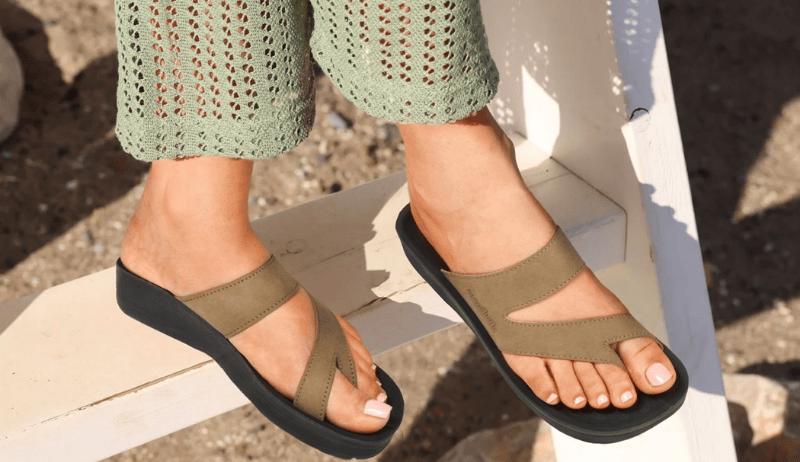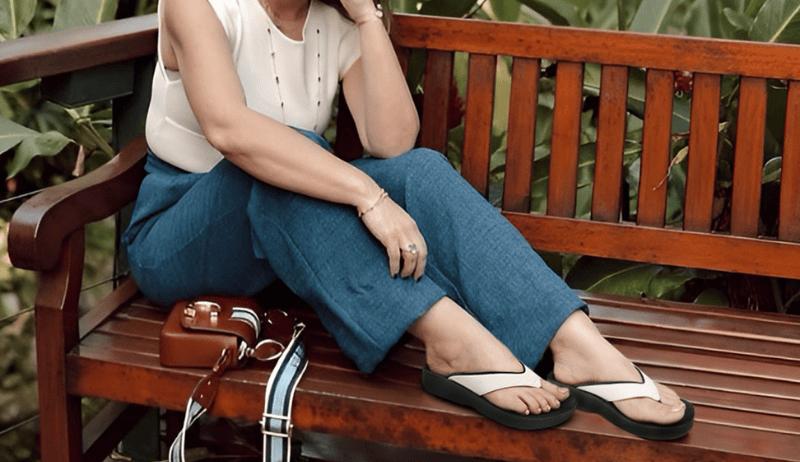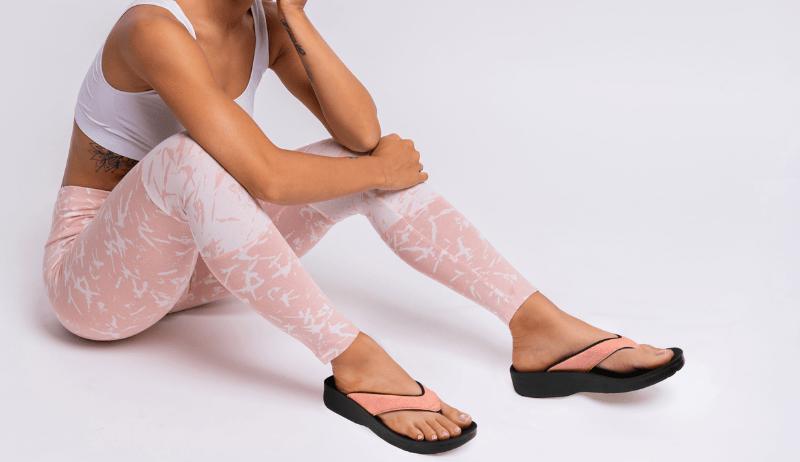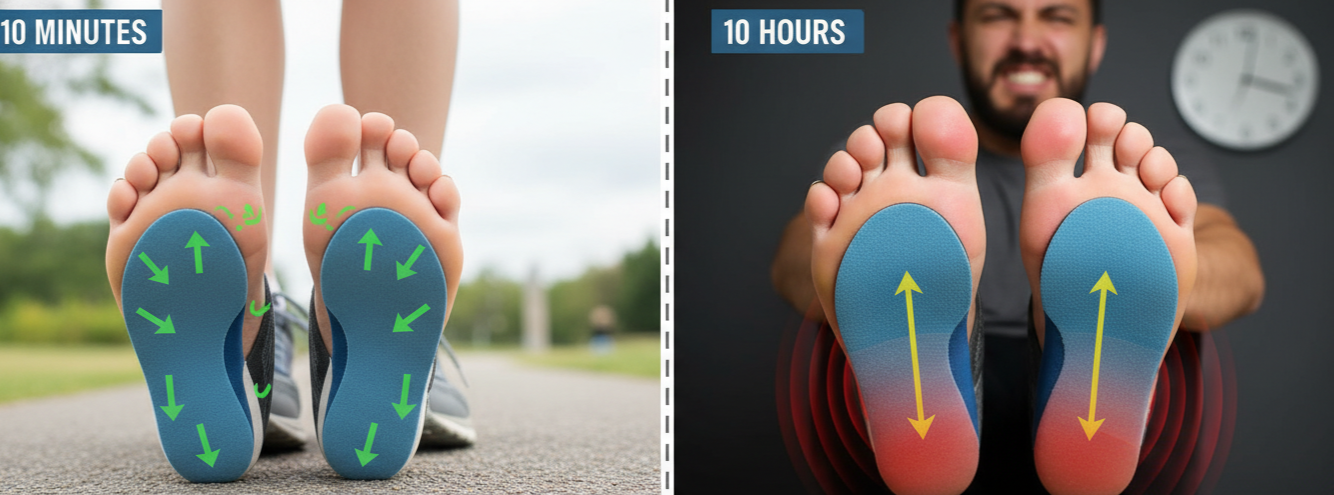
When you put on a new pair of orthotics or a new pair of supportive clogs, the first couple of steps are typically spectacular. There is some soft cushioning involved, you instantly feel a sense of relief, and it feels like your feet are getting the support they have been looking for. But then you encounter the most frustrating part of this experience: After a couple hours, when it is time to take off those new clogs and orthotic inserts, the initial comfort has faded, and what was once comfort is stiffness, pressure, or complete pain.
If this sounds familiar, you are not alone, especially with clogs in winter. Cold temperatures, clunky and heavy footwear, and lack of movement of your feet will all affect your foot's reaction to orthotics. But the real reasons are much deeper--deep into foot mechanics, and alignment, and supportive design.
In this article, we break down why orthotics present a short term comfort, but long term discomfort and how Orthopedic Clogs from Aerothotic are designed to fix that once and for all.
A. Reasons Orthotics Are Comfortable Initially
1. Soft Foam Provides Immediate Relief
Most people experience that first “ahh” feeling from soft, cushioned footbeds. That soft footbed provides immediate relief from pressure on the heel and ball of the foot, even if the overall construction isn’t right for the foot.
2. Temporary Support Feels Stabilizing
Most generic orthotics do provide some basic arch support, as do most regular clogs. For the first 10 minutes or so, that arch support feels stabilizing - almost “lifting” the foot the higher that the arch is positioned, but once again, if the arch height, contour, or angle is not matched to the foot type, then that feeling of stability diminishes quickly.
3. Less Weight and Pressure at First
On the first few steps, the cushioning is not fully compressed yet. Once the cushioning lies completely compressed from bodyweight — that footbed can not continue to support the foot in proper alignment with good body mechanics or optimal foot position. People can begin to notice fatigue or strain simply because the weight of the body injured the arch and disturbed the ankle, knee or hip.
B. Why Pain Occurs After Wearing for 1–2 Hours
1. The Arch Support is Misaligned
Your arch has a height and curve that's specific to that foot type. If the orthotic is the following:
- Too high
- Too low
- Too rigid
- Incorrectly placed
Then you have started to strain the plantar fascia/midfoot. This is one of the primary reasons people with Plantar Fasciitis will have more heel or arch pain after wearing the orthotic for a period of time.
2. Overpronation is Not Being Corrected
Flat feet/collapsing arches typically roll in toward the mid-line. Orthotics that lack structured anatomical support can worsen this over time and may lead to:
- Knee misalignment
- Heel pain
- Pain on the inner ankle
In clogs without sufficient support, this effect is compounded because clogs usually do not have stabilizing straps to stabilize the gait cycle.
3. Compression of Sensitive Nerves
Morton’s Neuroma or metatarsal pain can worsen when the orthotic shifts your weight forward due to the following scenarios:
- Forefoot platform too soft
- Unstable clog design
- Arch pushes foot down/forward versus upward
The longer you wear them, the more the nerve between the toes becomes irritated.
4. The Shape of the Footbed Doesn’t Accommodate Your Foot Uniquely
Your feet want:
- Depth in the heel cup
- A raised contour of the arch
- A metatarsal dome (if applicable for some sandals)
- Daily weight distribution
If these don’t exist, or if poorly designed for your foot costing you comfort when your foot settles in.
5. Badly Fitting or Un-sized Clogs
A lot of clogs fit broadly without any true shaping of the shoe. When your foot moves in the shoe:
- Your toes grip the clog for stability
- Your arch lands in the wrong spot
- Your heel slips putting strain on your body
Over time this will lead to pain in the ball of your foot especially if you have bunions or hammer toes.
C. Foot Mechanics Simplified
To understand why comfort disappears, it helps to unpack what is happening with your foot.
Your Foot Has 3 Arches
Even though the “arch” is usually referred to as one thing, one of the biggest factors is flattening of the arch in shoes. You actually have:
- Medial arch (inside the foot) - the big one!
- Lateral arch (outer edge)
- Transverse arch (across the ball of the foot)
When an orthotic gives poor support to an arch, or supports it incorrectly your arch will flatten and pressure will shift to other areas creating soreness.
Your Heel Requires Centered Alignment
A neutral heel stops the foot from rolling:
- Inward (overpronation)
- Outward (supination/desupination)
Without a heel cup, the orthotic cannot stabilize this and after wearing them for a lengthy period, pain may occur.
Pressure Points Increase Over Time
Pain typically arises in well-known areas:
- The heel (plantar fasciitis, heel spurs)
- The ball of the foot (metatarsal pain)
- The toes (bunions or hammer toes)
- The mid foot (collapsing arch)
A properly constructed clog should relieve these, not worsen them after 2 hours.
D. Situations Where Orthotic Discomfort Will Be Increased
 Certain foot ailments are relatively more sensitive to poorly-designed orthotics compared to others. The ones of most relevance to winter clog wearers are:
1. Plantar Fasciitis
When the arch support is incorrectly aligned, the plantar fascia is subjected to repeated stretching. The initial feeling of comfort soon gives way to stabbing, sharp pain in the heel area.
2. Flat Feet
Individuals with flat feet need rigid elevation of the arch--not simply soft cushioning material. If rigid structure and support are not provided, the foot becomes fatigued quickly, within one to two hours.
3. Heel Spurs
Heel spurs need shock absorption combined with heel position centering. Without both of these mechanical needs being satisfied, the heel bone will experience repeated stress and impact.
4. Metatarsal Pain
Soft designs or unstable designs will shift pressure forward, compressing the ball of the foot
when wearing clogs.
5. Hammer Toes & Bunions
Clogs that do not have the contoured shape to match the anatomy of the foot will aggravate the forefoot and cause early irritation within the first hour of using the sandals or clogs, due to an excessive amount of abrupt or awkward pressure.
E. The Winter Shoe Problem is Worse
Cold weather impacts every factor of how your feet react.
1. Your Feet Contract in Cold Weather
As the muscles tighten, arch height changes. Orthotics that felt great inside, may feel horrible outside.
2. Winter Clogs Have Extra Room
The excessive amount of extra room creates instability, leading to gripping and strain.
3. Extra Thick Socks Alter Fit
Simply changing your foot volume even a little, moves the arch out of the right position.
4. Floors Are Harder in Winter
Tile, concrete, and wooden floors give more shock back to your foot - impacting stability and requiring heel and arch support.
The extra room in most standard clogs, just does not account for this.
F. Aerothotic Clogs Fix the Problem
Aerothotic's orthopedic clog collection is designed with the foot experiencing long-term comfort, rather than the first ten minutes of wear.
1. Anatomical Arch Support
The arch contour is created through medical design principles, honoring and matching the curves of the human foot.
2. Deep Heel Cup for Alignment
The deep heel cup keeps the heel centered, reducing overpronation and keeping you stable while walking.
3. Shock Absorbing Midsole
Aerothotic does not use "collapsing" foam. Instead, the "resilient", medically-engineered cushioning is specifically designed to absorb shock and distribute pressure evenly.
4. Supportive Forefoot Design
Aerothotic clogs can help relieve metatarsal pressures, resulting in a reduction of the symptoms related to:
- Metatarsal pain
- Morton's Neuroma
- Bunions
5. Secure Non-Slip Winter-Friendly Outsoles
In winter conditions it is essential to have grip and stable grounding - avoiding foot fatigue, which is caused by micro-slipping inside the shoe.
6. Lightweight Construction
Unlike some heavier winter footwear that causes strain on your ankles, the Aerothotic clogs are purposely designed to be supportive and lightweight.
7. Medical-Grade Ergonomics
The entire clog is designed — arch height, footbed shape, heel depth, toe box space — has been tested to support the mechanics of the foot in a healthy manner, not just for the first few minutes.
Long-Lasting Comfort Starts With Smarter Support.
 Orthotics and clogs that feel excellent initially, may cause pain when the orthotic fails to support your foot's natural alignment after a finite amount of time. Misfitting arches, poor heel stability, and lack of winter construction only contribute discomfort after minutes or a few hours.
However, you are not restricted to that cycle of "10 minutes of comfort following with 2 hours of pain."
Aerothotic's orthopedic clogs are designed to provide constant medically aligned support, allowing for comfort from the morning into the night, even in winter conditions.