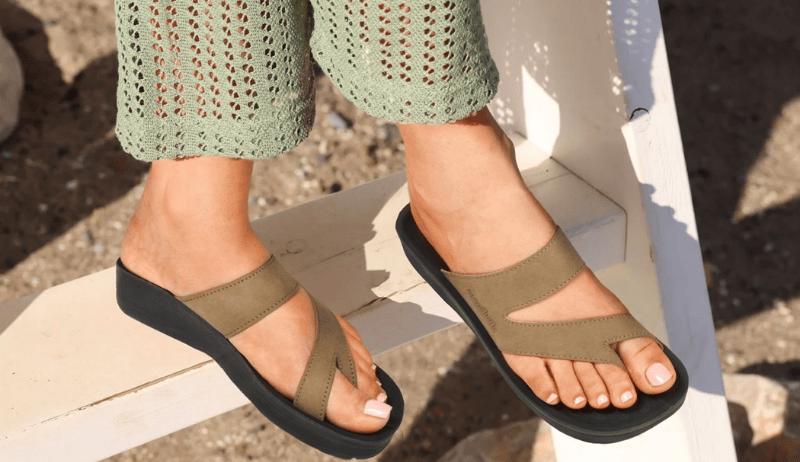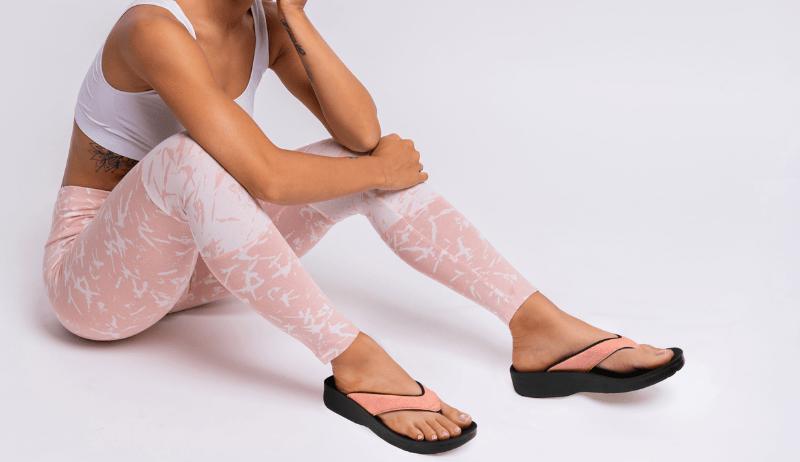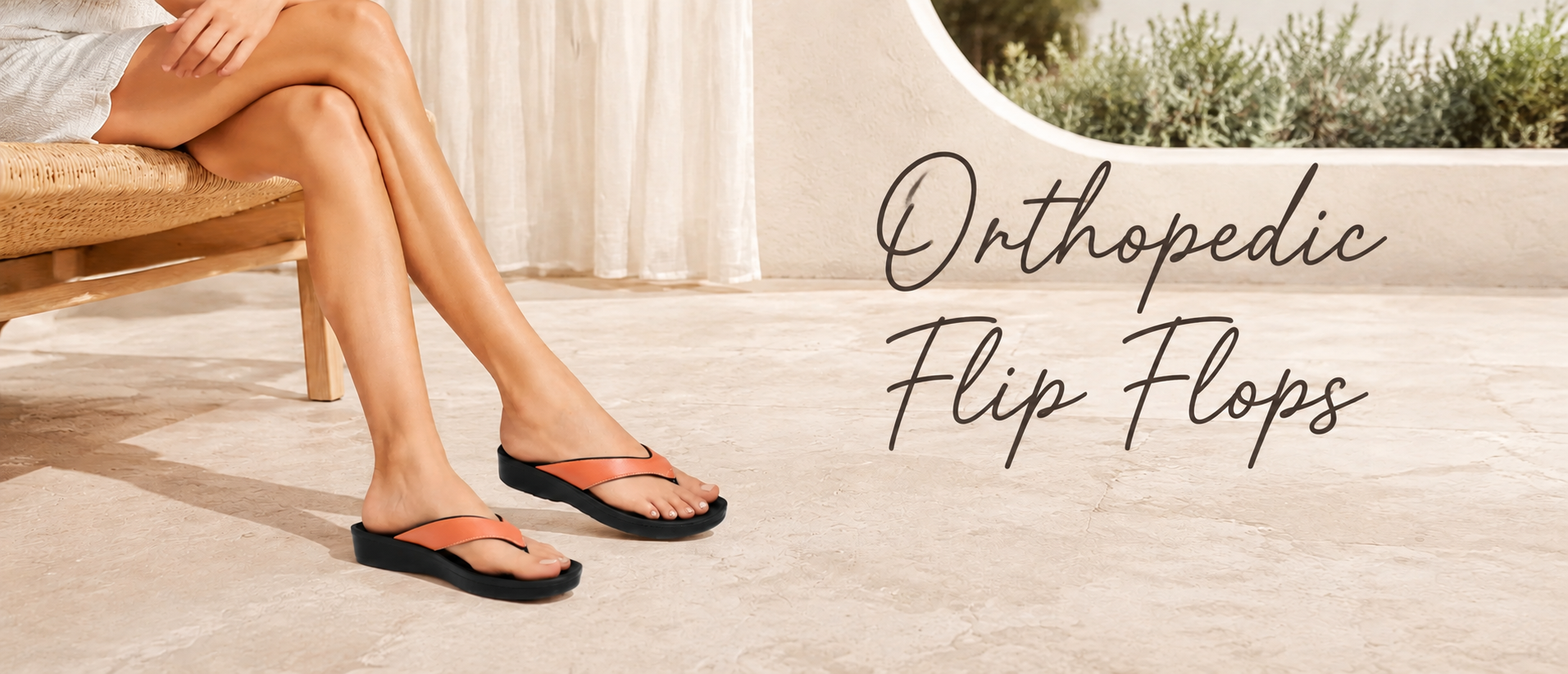
Here's the uncomfortable truth: most flip flops are actively working against your feet. A flat piece of foam with a strap through it was never built to support your arch, and if you have ever finished a day in a $5 pair and felt it in your heels the next morning, that is not a coincidence, that is physics. Orthopedic flip flops exist to fix exactly that problem, but the label gets slapped on a lot of pairs that do not actually deliver. This guide breaks down what genuinely makes a flip flop orthopedic, whether it actually works, and how to tell a real one from a marketing claim. If you want to skip ahead, Aerothotic's orthopedic flip flops collection is a good place to start.

Quick answer
Orthopedic flip flops work when the construction actually earns the label: a contoured arch, a deep heel cup, and a shock-absorbing footbed, not just a sticker on the box. That structure can genuinely reduce foot fatigue and take pressure off the plantar fascia over a long day. What does not work is a flat flip flop with the word "orthopedic" printed on the packaging. Press your thumb into the footbed before you buy, if it does not push back with a real arch shape, it is not doing the job.
The real problem with most flip flops
A standard flip flop is, structurally, almost nothing: a flat slab of foam and a strap. There is no arch contour to hold your foot's natural shape, no heel cup to stabilize impact, and no shock absorption beyond whatever the foam happens to offer before it compresses flat. Wear that for a few hours of walking or standing and the arch collapses inward with every step, which is exactly the kind of repetitive strain linked to plantar fasciitis and general heel pain. It is not that flip flops are inherently bad, it is that most of them were designed for a walk to the mailbox, not a full day on your feet. Aerothotic's plantar fasciitis sandals collection exists specifically to address that gap.
What actually makes a flip flop "orthopedic"
The word gets used loosely, so it helps to know what it is supposed to mean. A genuinely orthopedic flip flop has a footbed molded with a raised arch, a heel cup deep enough to cradle and stabilize the hindfoot, and a midsole material, usually gel-injected polyurethane or memory foam, built to absorb impact rather than just cushion it. Aerothotic's Crystal Mist flip flop is a good example of the difference in practice, a molded arch and deep heel cup under a shimmer strap that does not look clinical, proof that structure and style are not mutually exclusive. If you want the broader technical breakdown, our piece on what arch support flip flops actually are goes deeper into the construction.

“The only sandals I can wear all day without foot pain. Worth every penny.”
— Verified Aerothotic buyer, Crystal Mist
Hear it from podiatrists on video
If you would rather see this explained than read it, a couple of short podiatrist clips cover the same ground, what actually separates a supportive flip flop from a flat one.
Watch: a podiatrist on sandal support
Instagram video, opens in a new tab
▶Watch: podiatrist-recommended features
Instagram video, opens in a new tab
What's actually bothering your feet?
Tell us your biggest complaint, and we will point you to the pair worth trying first.
Where a lot of "orthopedic" flip flops still fall short
Plenty of flip flops marketed as orthopedic still cut corners on the part that actually matters. A slightly thicker sole is not the same thing as a contoured arch. A soft strap is not the same thing as a stable heel cup. And a flip flop that only feels supportive in the store, before your body weight has spent six hours pressing into it, is not proof of anything. Our breakdown of what flip flops podiatrists actually recommend covers the specific red flags worth checking before you buy, not just after.
Regular flip flops vs orthopedic flip flops
Hover a row to see it highlighted.
| Feature | Regular flip flop | Orthopedic flip flop |
|---|---|---|
| Arch shape | Flat, no contouring | Molded to support the arch |
| Heel cup | None | Deep, stabilizes the hindfoot |
| Impact after 4+ hours | Compresses flat, offers little | Holds shape, keeps absorbing shock |
| Plantar fasciitis risk | Can aggravate over time | May reduce strain on the fascia |
| Best for | A quick trip to the mailbox | A full day on your feet |
Finding the pair that actually fits your life
Structure matters most, but it does not have to come at the cost of style or fit. If your feet swell or you deal with sliding straps, look for an adjustable buckle like the one on Aerothotic's Dune flip flop, which keeps the fit locked in without sacrificing the arch support underneath. If your priority is something sporty enough for long walks, the Fallon flip flop pairs a gel-injected midsole with a traction outsole built for exactly that. And if you want something that reads more classic and understated, the Flumen flip flop covers that ground without giving up the deep heel cup or arch contouring that actually does the work.
The honest takeaway is that orthopedic flip flops are not a gimmick, but they are also not automatic. The label means nothing without the construction behind it, a contoured arch, a real heel cup, a footbed that still has structure left after hours of wear. Get those right and a flip flop can genuinely carry you through a full day without the ache you have come to expect from the category. Ready to see the difference for yourself? Browse Aerothotic's orthopedic flip flops and feel what real arch support is supposed to feel like.
Recommended orthopedic flip flops
A quick shortlist if you would rather compare a few real pairs than keep scrolling product pages:


Related reads from 2026
- Women's orthopedic summer sandals 2026
- Best sandals for standing jobs
- Health benefits of arch support sandals
- What flip flops podiatrists recommend
- What arch support flip flops actually are
Frequently asked questions
Tap a question to expand the answer.