Regardless of whether you are working as a nurse, teacher, store worker, busy parent, or somebody who is constantly cooking, cleaning, or commuting — standing all day at work will academically take a toll on your feet. Standing all day at work or on your feet does not feel like a big deal at first. First there is a little soreness. Then there is a little stiffness. Pretty soon you are ending every evening with throbbing arches, burning heels or aching toes.
But here is a fact many people do not realize:
Standing or walking for long periods of time without support creates structural changes in the inside of your feet — not just a temporary nuisance.
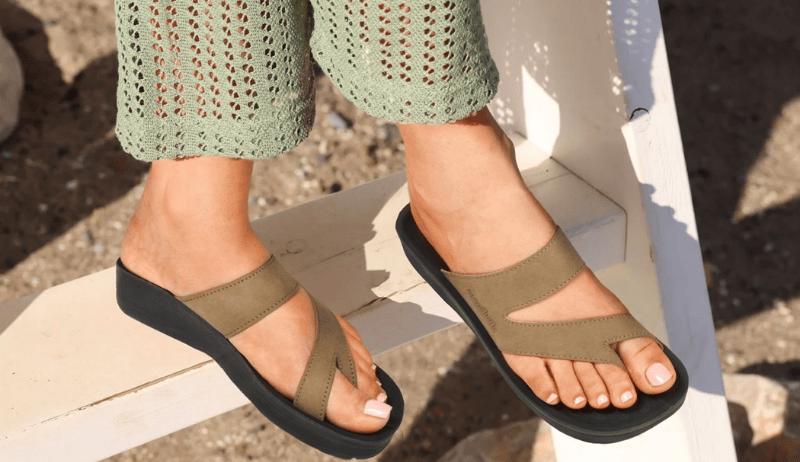
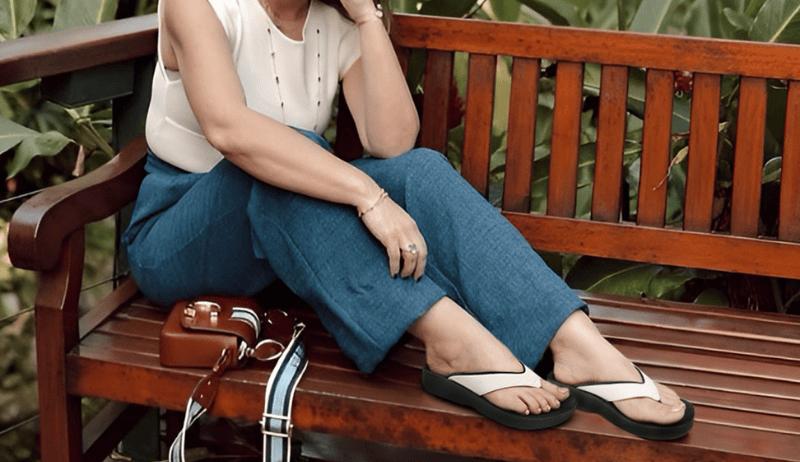
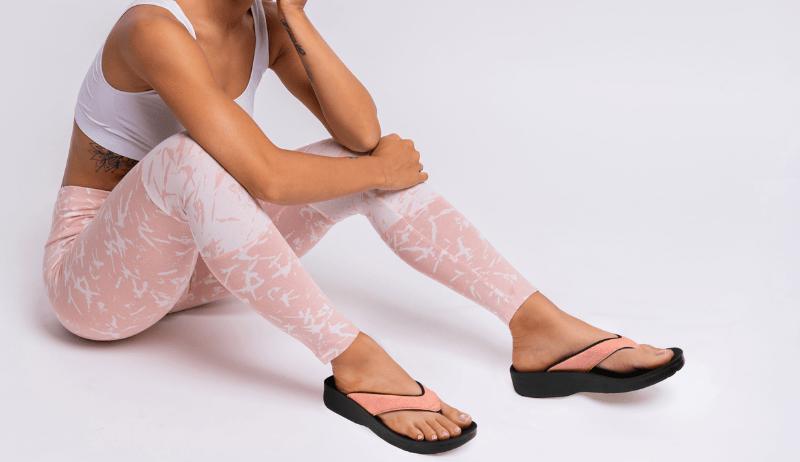
This blog will outline exactly what happens on the inside of your feet when you stand or walk too much and how intelligent footwear choices — like zap Orthopedic sandals or winter slippers for women — can return comfort in your feet and prevent permanent damage.
Understanding the Real Problem: What Standing All Day does to your Feet
Standing is not without consequences. Your feet are working at all times to stabilize your whole body. That means every second you are standing or walking, your arches, tendons, heel pad, and forefoot are absorbing force.
Here is what happens on the inside:
1. The Arches Give Way Under Load
The arches of your foot are designed to bend and bear your weight in the same way as a spring. However, after a few hours of standing, the arch will flatten a little bit — and flattening time and again results in:
- Inflammation
- Plantar fascia weakness
- Misalignment of the foot and ankle
- Early signs of flat feet
Given this is how the body develops foot injury causing conditions, a loss of arch support can lead to conditions that need Arch Support shoes.
2. The Plantar Fascia Overstretches
The long ligament that traverses the bottom of your foot (the plantar fascia) gets strained.
Over time this leads to plantar fasciitis which is one of the most common causes of foot pain in the morning.
Specialized footwear such as plantar fasciitis sandals help to alleviate and restore normal ranges of motion in the foot.
3. The Heel Fat Pad Gets Compressed
Your heel contains a fat pad that is designed to absorb shock. Standing for too long will compress your fat pad permanently — and the eventual result is:
- Heel pain
- Tenderness
- Difficulty walking on hard surfaces
Because the foot insert fat pad cannot re-shape itself, many people eventually rely on Heel Spurs sandals since bone spurs will develop from other stressors.
4. The Forefoot Receives Over Pressure
Standing too long puts excessive pressure on the ball of the foot causing:
- Tingling
- Numbness
- Burning Feeling
- Metatarsalgia
This issue is remedied for people by sandals for metatarsalgia.
5. Toe Issues Start to Develop
Continual compression, narrow footwear, and long periods of standing can result in:
- Bunions
- Hammertoes
- Morton’s neuroma
This is why women tend to require moderately directed solutions such as:
- Bunions Sandals
- Mortons Neuroma Sandals
- Sandals for Hammer Toes
These designs reduce the friction and allow for the toes to rest in their own natural, pain-free position.
6. Circulation Decreased
By standing for extended period, there is a decrease in blood flow to the feet, resulting in:
- Cold toes
- Swelling
- Fatigue
- Heaviness in your legs
Proper cushioning and supportive soles reduce pressure on the feet and promote blood circulation throughout the day.
Reasons Why Pain Becomes Aggravated

Pain from standing all day is more related to footwear than anything else — although posture is still important.
➤ Flat, Hard or Cheap Footwear
These types of shoes have little or no shock absorption capability and cause the entire impact of your every step to be absorbed by your body.
Most of the shoes you wear at home, even the trendy fuzzy slippers for women, are comfy but don't offer any support.
➤ Thin Soles That Cannot Absorb Impact
Every time your foot hits the ground, it hits with your entire body weight. Thin soles simply increase that impact.
➤ Tight Toe Boxes
Shoes that are tapered and narrow, squeeze the toes together and result in bunions or hammer toes.
➤ Lack of Arch Support
In the absence of arch support:
- The plantar fascia stretches
- The arch collapses
- The ankle moves inward
- The heel and forefoot become loaded
In short, this is a pathway to long-term foot dysfunction.
The Importance of Proper Materials & Design to Alleviate Foot Pain
The good news? Supportive Shoes can reverse or prevent nearly all issues caused by standing all day; it depends on the materials they are made from.
1. Contoured Arch Support
This is the most important feature of comfort.
A contoured arch does the following:
- Restores Natural Alignment
- Decreases pressure on the heel and ball of the foot
- Prevents arch collapse.
The second at the top of the list is Arch Support Sandals for Women and Orthotic Sandals.
2. Deep Heel Cups
Heel cups stabilize the feet to prevent lateral movement and therefore limit stress on:
- Ankles
- Knees
- Hips
- Lower back
This is particularly useful for flat feet and customers of Sandals for Flat Feet.
3. Cushioning Midsoles That Absorb Shock
Materials like EVA, memory foam, and cork lessen the impact of standing or walking on hard surfaces.
This is most important for those with:
- Plantar fasciitis
- Heel spurs
- Neuromas
4. Generous Toe Box
A wide toe box alleviates pressure from:
- Bunions
- Hammer toes
- Morton's neuroma
This limits joint-to-joint friction while allowing the toes to have additional space to rest.
5. Flexible, Non-Slip (Slip-Resistant) Outsoles
These outsoles provide stable, safe walking and standing - importantly for those standing and walking continuously at work.
Ways To Relieve Foot Pain From Standing All Day: Advanced Solutions For Daily Life
You can start improving your footcare immediately by managing some simple solutions.

1. Invest In Supportive Shoes – And Even When You Are In Your Home
Most people transition from regular shoes to flat slippers when they are at home, which leads to pain.
Instead, make sure you wear a supportive slip on shoe or slipper for women whenever you are home. You will buoyantly benefit from arch support especially when living in:
- Tiles
- Wood floors
- Concrete
There is a lot of impact taken when standing on all of these surfaces, and they provide nothing in shock absorption for your feet.
There are help tools for winter such as winter slippers for women or just warm slippers for women, and these will help keep your feet insulated while also supported.
2. Daily Foot Stretches
A few suggestions are:
- Calf stretches
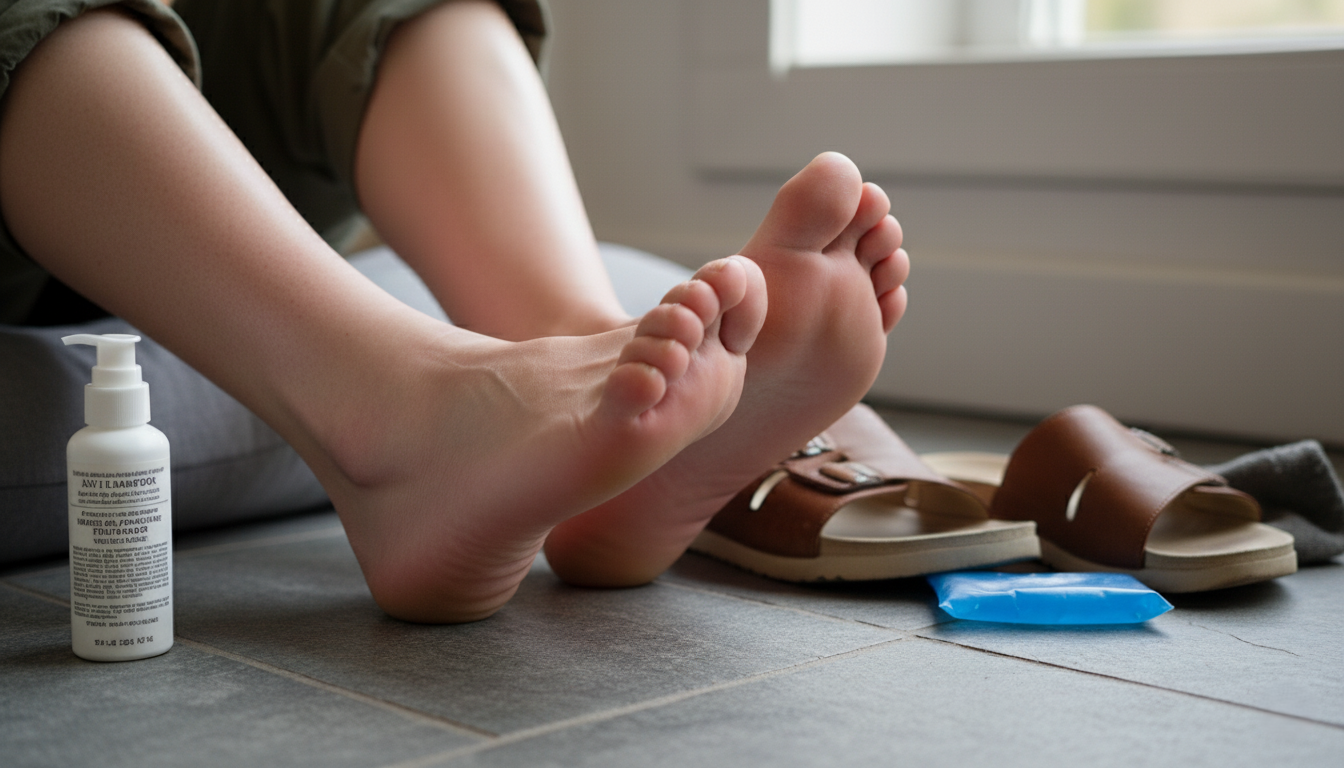
- Plantar fascia rolling using a cold bottle
- Flex-and-spread toes exercise.
These will help to get the mobility back into your feet for movement and ease the inflammation.
3. Take Sitting Breaks
Micro-breaks of 2 minutes or more cut down stress on the plantar fascia and knee joints.
4. Make Sure You Have Strengthened The Arches
Try marble-picking exercises, doing towel scrunches, or if you are really cool try toe yoga.
These will help your body rebuild the small muscles that support your arch.
5. You Should Replace Your Shoes
Footwear falls apart and shoes lose their support firmer than you think- and especially if you walk/stand a lot. Safety shoes, joke shoes, work/safety shoes, and lifestyle shoes, replace all footwear every 6-12 months, depending on use.
Footwear for Particular Conditions: What to Choose If You Already Have Pain
If you are already experiencing pain in your feet, a specific type of footwear can significantly lessen symptoms.
Plantar Fasciitis → Select planted fasciitis sandals that provide a supportive arch and a soft heel cushion.
Metatarsalgia → Look for sandals for metatarsalgia that have added padding in the forefoot.
Bunion → Simply use Bunion Sandals that include adjustable straps and width in the toe box.
Morton's Neuroma → Select Mortons Neuroma Sandals which support the metatarsal heads.
Flat Feet → Choose Sandals for Flat Feet that provide a solid arch and control for heel movement.
Heel Spurs → Look for Heel Spurs cure sandals that are cushioned to reduce pressure on the heel.
Hammer Toes → Choose Sandals for Hammer Toes with soft uppers and extra depth.
Foot Support is Not an Option, It’s a Necessity

To stand or walk on your feet all day long has become customary in this contemporary life. Pain does not have to be customary.
Foot fatigue and discomfort can lead to significant foot problems, such as plantar fasciitis, bunions, and neuromas, that all originate from one source: not having the proper support for your feet.
What’s the answer?
Finding the right footwear to support your arches, stabilize your heel, cushion your forefoot, whether you are working, running errands, or relaxing at home.
With the proper footwear, such as Orthopedic Sandals, Women's arch support sandals, and arch support slippers for women, you aren’t just alleviating today’s pain — you’re preventing tomorrow’s problems.
Your feet carry you every day.
Start carrying your feet.