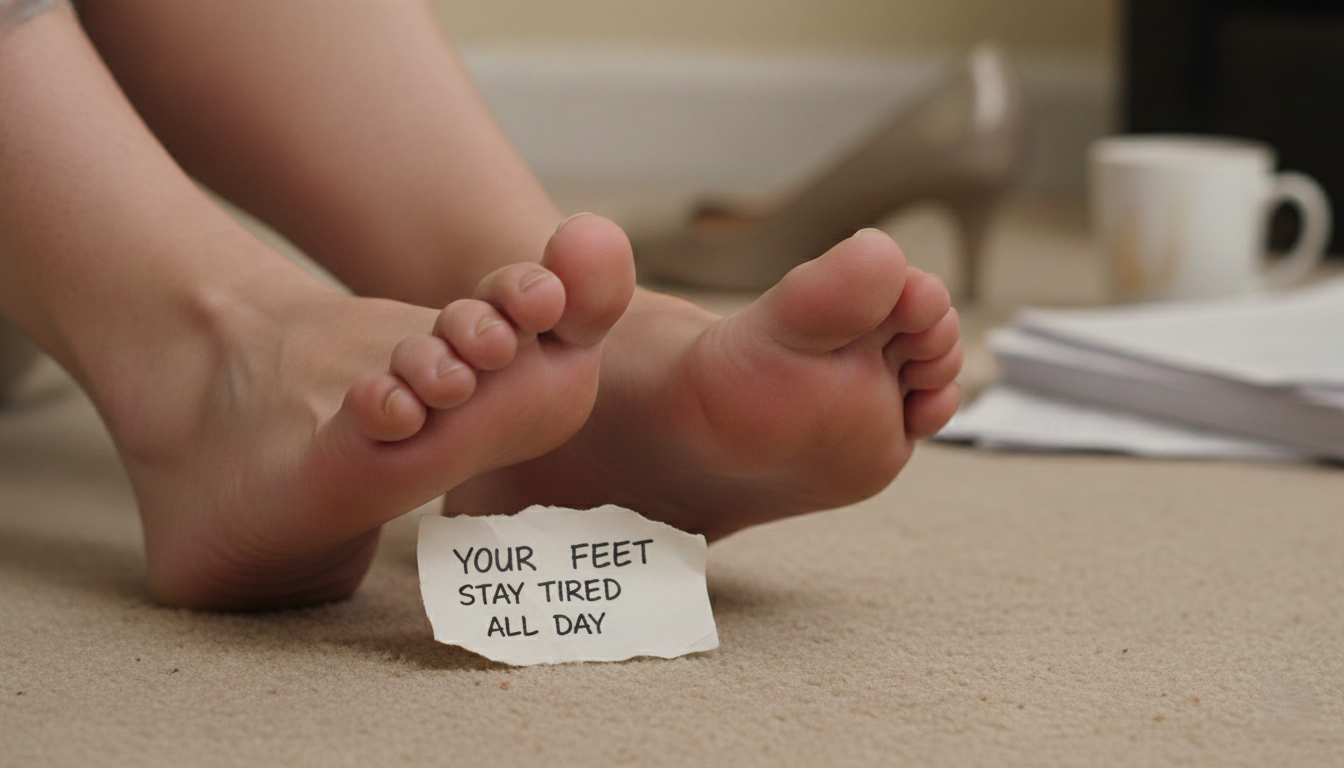
You wake up energized, and by mid-morning your feet hurt. By lunch your legs feel heavy, and your energy is fading. You may blame extended hours, sleep deprivation, or too much stand time. But sometimes, there’s a subtle cause that is also often overlooked: micro-instability.
When your feet lack proper structural support, micro-instability happens because your foot is making micro-adjustments in alignment that your muscles are compensating for without even realizing it. After a few hours this generally leads to tired, aching feet; painful arches; and sometimes fatigue in your legs or lower back.
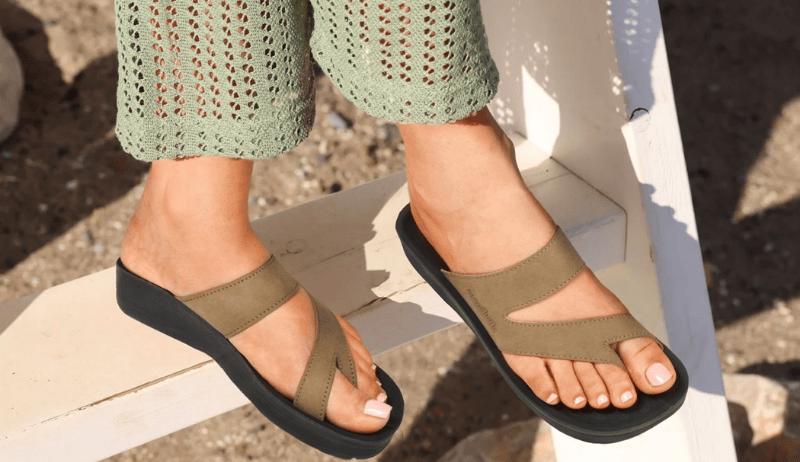
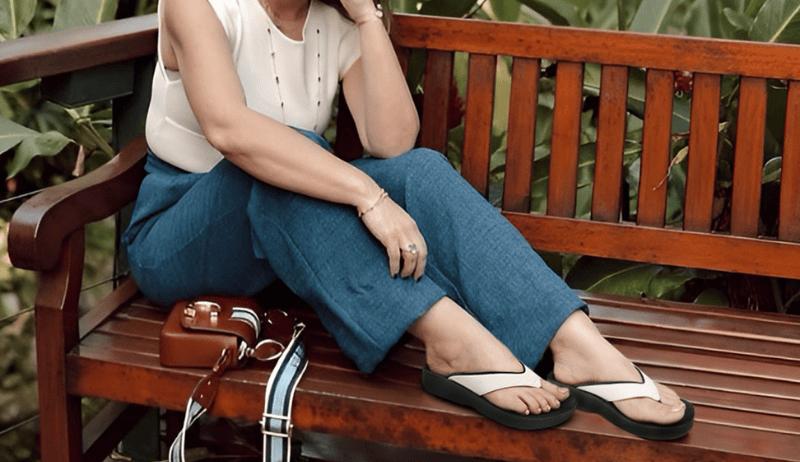
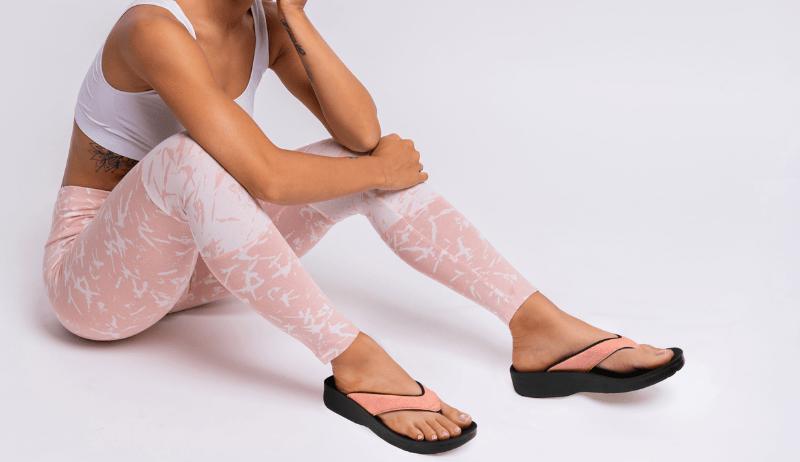
This article explores the science of micro-instability, how day-to-day footwear contributes to micro-instability, and how supportive alternatives such as Orthopedic Sandals, Women's Arch Support Sandals or arch support slippers for women could stop fatigue before it starts.
What is Micro-Instability?

Micro-instability is subtle, nearly not noticeable. It is not a sprain or a fracture; it is the constant wobble that happens in your feet when there is no stable support.
Your feet are comprised of 26 bones, 33 joints, and over 100 muscles, tendons, and ligaments. Every time you take a step, you make a series of little adjustments to stay upright. If your shoe does not hold your foot in the proper alignment, those adjustments become exaggerated and prolonged.
The result:
- Muscle fatigue of the feet, calves, and lower legs
- Arch and heel pain
- Fatigue despite having walked only a short distance
- A lifetime risk of bunions, metatarsalgia or plantar fasciitis
Micro-instability is the hidden cause of what most people call “tired feet,” and it usually originates at home in your everyday footwear.
How Everyday Footwear Can Lead to Micro-Instability
Sure, flip flops or comfy slippers may look cute but they can make micro-instability worse. Here’s how:
1. Flat slippers worn inside:
Many women wear fuzzy slippers for women or winter slippers for women at home. Although soft, they usually have no arch support or heel stability. If you are barefoot or in slippers without any support, your foot moves too much with every step. Because of this overstretch with each step, the micro-instability adds fatigue over time.
2. Unsupported sandals worn outside:
Many casual sandals do not have a structured footbed or heel cup. These sandals leave your foot muscles working harder to assist in balance, especially when an uneven surface is present.
3. Old footwear:
Old shoes that have compressed cushioning can no longer stabilize the foot appropriately in working order. With each step, it creates micro-instability the whole time you walk or stand.
4. Shoes that are too narrow or tight:
Positioning your toes with shoes that compress your toes or tighten up the midfoot causes subtle misalignments. This misalignment increases the micro-adjustments your foot must make to be foot safe.
How Micro-Instability Causes Fatigue
Every step creates complex and nuanced interactions between our bones, joints, and muscles; once support is compromised.
Collapse of the Arch: The medial arch falls slightly, overwhelming plantar muscles.
Heel Wobble: The heel slides or curls, enlisting the calf muscles to stabilize.
Overcompensation at the Ankle: Small amounts of rotation at the ankle must occur to keep balance and therefore harass the surrounding musculature.
Strains on the Knee and Hip: Misalignment moves up the body; it's not just the foot anymore. The knee and hip alignment are also affected, generally in a more insignificant way, but over hours it adds up.
All of these micro-adjustments add up to provide the suspicion of tired feet, painful legs, or even lower back pain, by the end of the day.
Identifying Micro-Instability in Your Daily Routine
Here are some indicators you might have micro-instability:
- Tired feet after a very short time walking
- Soreness in your midfoot or heel areas with no activity
- Inability to balance on one foot even for a few seconds
- Soreness in the arch of the foot in the morning or after standing for long periods
- If you need to switch positions almost constantly when sitting or standing
In many cases, it is not about rest; it requires better support from your footwear.
How Supportive Footwear Prevents Micro-Instability
The easiest way to eliminate the risk of micro instability is simply to wear footwear that will naturally stabilize your foot. Here are a few ways that supportive footwear can help.
1. Arch Support
Contoured arches stop the foot from collapsing and minimize the small shifting motion that tires muscles. Supportive footwear options for women include Women’s Arch Support Sandals and arch support slippers for women.
2. Heel Stabilization
An orthopedically shaped and structured heel cup holds the foot in place minimizing wobble and protecting and stabilizing the Achilles tendon.
3. Cushioned Footbed
Midsoles that absorbs shock allows the foot to meet the surface with less potential impact and stress on the arch and the heel.
4. Material & Construction
The best support comes from high-quality support materials and construction such as memory foam, EVA, or orthopedic-grade leather to support the foot. They should be firm in the places that need firmness and soft in the areas that need softness, unlike traditional fuzzy slippers for women that are compressible and will sag over time.
Indoor Footwear: Why It Matters More than You Think.

Many people don't think it matters much what they wear inside the house. But in fact, with every step you take in an indoor shoe or slipper that does not offer support, you are creating repeated instances of micro instability.
As a result, switching to arch support slippers for women at home could:
1. minimize strain on the arches,
2. stabilize the placement of your heel,
3. Begin to improve your balance and posture, and
4. Reduce muscle fatigue from standing or walking for long periods.
Even winter slippers for women can provide support if they are made with contoured footbeds and heel cups; The supportive design provides warmth with biomechanical touch points.
Preventing Micro-Instability Through Footwear and Care
Here are practical solutions:
1. Wear supportive footwear consistently
Wear Orthopedic Sandals outdoors and structured indoor slippers when indoors if you are looking for support and stability.
2. Alternate different footwear types
This means to not wear only one type of shoe all day. Alternate between supportive sandals and slippers with proper arch support.
3. Foot stretching
Calf and plantar fascia stretches help improve muscle endurance and reduce the fatigue of micro-instability.
4. Replace worn-out footwear
Even the best footwear has diminished stabilizing qualities with time.
5. Be cognizant of surfaces
Walking on hard surfaces increases impact on unsupported feet. Soft cushioned footwear reduces micro-adjustments.
Why Aerothotic and Similar Footwear is Unique

Aerothotic-style footwear and similar designs are specifically designed to reduce micro-instability. This type of footwear has features like:
- Contoured arch support
- Deep heel cups for stability
- Shock-absorbing midsoles
- Lightweight yet durable
- Indoor/outdoor capabilities
By stabilizing the foot these sandals/slippers do not allow the subtle and continuous adjustments that are made to the foot to cause fatigue. This enables you to walk or stand all day with less fatigue.
Important but Invisible Factor
In summary, micro-instability is an important but invisible factor in daily foot fatigue. Even minor shifts in alignment thousands of times per day leaves your feet tired, sore, and achy.
The answer is not just rest; it is supportive shoes. Orthopedic Sandals, Women’s Arch Support Sandals, or arch support slippers for women designed with stability allow your muscles to relax, maintain good posture, and prevent cumulative strain. Supportive shoes, combined with stretches and an awareness of how you walk, will allow your feet to feel lighter, your legs fatigued less, and your day more comfortable.
Lastly, do not forget that indoor shoes are as important as shoes you wear outside. A key indicator between constant fatigue and comfort all day is footwear to wear inside, whether that is winter slippers for women or fuzzy slippers for women with structured footbeds.