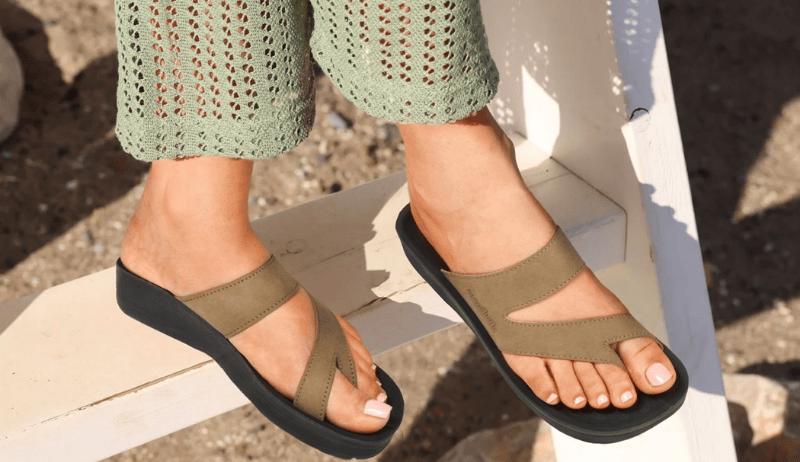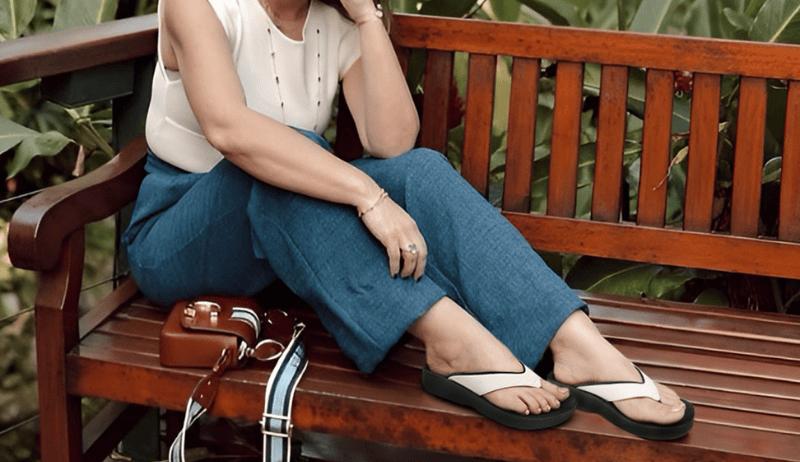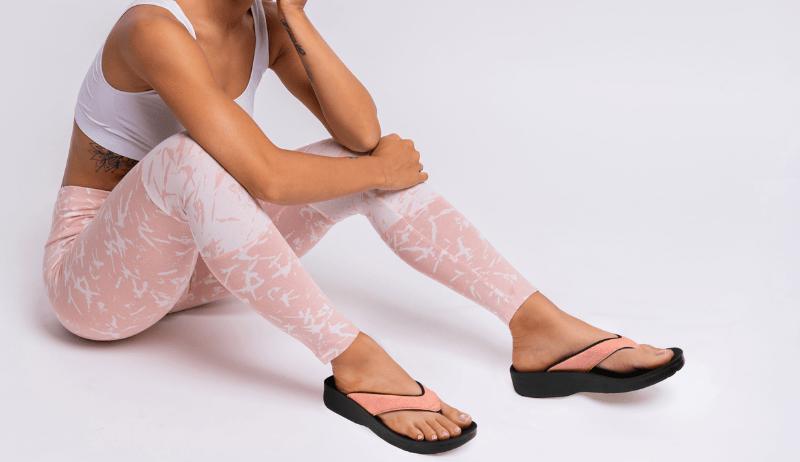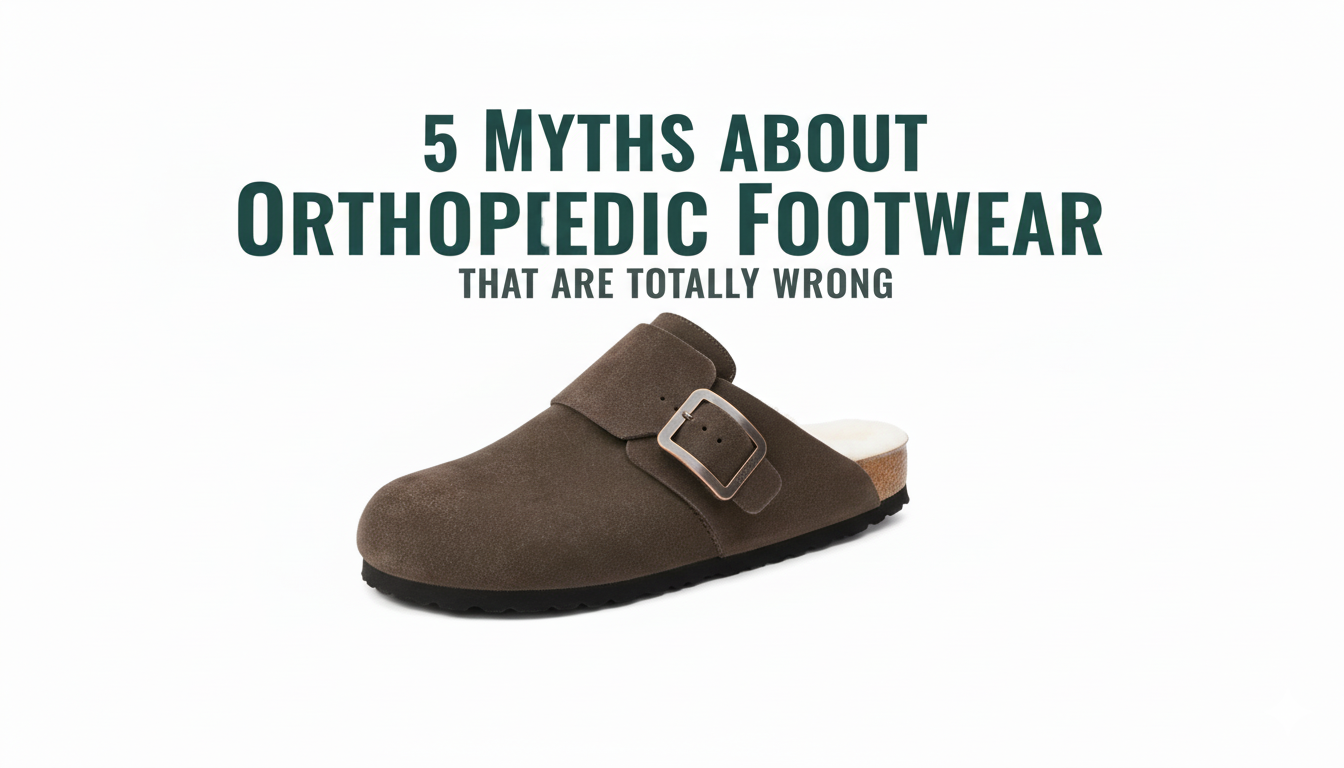
When the phrase "orthopedic footwear" comes to mind, most people imagine large, medical-looking shoes that are only worn by older people. The truth, however, is that orthopedic footwear has advanced to offer great style, comfort, and health-related attributes that can actually improve your daily comfort. Whether you're looking for some winter slippers for ladies,Orthopedic Sandals for warmer weather, or arch support slippers for women in order to remain comfortable at home and reduce foot fatigue - understanding what is a myth and what is fact can ultimately save you from pain, aggravation, and money wasted.
In this article, we will debunk five commonly thought orthopedic footwear myths with the truth so that you can make better, healthier decisions for your feet.
Myth #1: Orthopedic Shoes Are Only for Seniors
One of the most prevalent myths associated with orthopedic footwear and sandals is their application to solely older adults. Many younger wearers dislike the idea of wearing orthopedic shoes because they think they do not require, nor do they need, “extra support.” Truth be told, foot problems do not have an age limit.
The Truth
Foot stress can start early. While standing for extended time periods, flat feet, over pronation, and unsupported shoes are all contributors to stress your arches and heels absorb every time you use your feet. Yes, even young women who work in retail, healthcare, or teaching occupations standing 6-10 hours a day, share experiences of
- Heel pain
- Arch fatigue
- Pressure on the ball of the foot
- Lower-back pain
- Knee / hip alignment
They all can be managed and/or prevented by having a supportive shoe, such as Women’s Arch Support Sandals, or wearing soft cushioning slippers around inside your home.
Not to mention while the cold months or the winter season we may find ourselves switching into fluffy indoor shoe wear that is also not supportive either. Supportive winter slippers for women with true orthopedic support adds great benefit as well. Like comfort, support will never go out of style either.
Myth #2: Orthopedic Shoes Are Bulky and Unattractive

This myth held some truth in the past. Orthopedic shoes have typically been built for function over fashion, but innovation changed the category entirely. Today's offerings now include fuzzy slippers for women that are as luxe-looking as can be, Orthopedic Sandals that would hold up to a beach day, and form-meets-function beautiful everyday wear.
The Truth
The market now gives you:
- Trendy textures
- Sleek silhouettes
- Modern tones
- Soft faux fur linings
- Minimalistic straps
- Luxury feel materials
and still gives you proper arch support for pelvic stability and body alignment, heel cups for posture, and layers of cushioning.
2025 is here where fashion and function coincide. If you want something cozy for indoors, arch supporter slippers for women now look just as luxe and fuzzy as slippers that you may have bought at your local store. The difference is they offer support for your body!
Myth #3: You Only Need Orthopedic Shoes If You Already Have Foot Pain
Another prevalent misconception is that orthopedic shoes are a remedy rather than a preventive measure. Many people believe that the time to switch to a supported shoe is when it is unbearable to walk on their foot pain-free.
The Truth Is
Most foot problems develop over time and in silence.
Flat feet, plantar fasciitis, metatarsal pain, and ankle strain generally begin with several months or years of not wearing appropriate shoes. By the time the indicator symptoms appear, the damage is already done.
Think of orthopedic shoes as an investment in everyday comfort invested for the long haul.
Supportive options like:
- Women’s Arch Support Sandals for outdoors
- arch support slippers for women for indoors
- winter slippers for women that have structured footbeds
- Fuzzy but supportive slippers for good posture
- Designed orthopedic sandals with cushioning midsole
as options to keep the feet aligned even if you are not currently in pain.
Just because the pain is not happening today does not mean you are not building up stress to the foot silently in the background.
Myth #4: Soft, Cushy Shoes Are Sufficient to Provide Comfort
When shoppers look at house slippers, many gravitate to soft, plush, or ultra-cushy choices. This is why fuzzy slippers for women are so popular. However, softness alone does not equal comfort, especially long-term comfort.
The Truth
Shoes that are too soft are bad for feet if they do not have structure.
Why is this the case?
- Soft foam compresses easily and quickly
- Soft foam does not provide arch support
- Soft foam does not help with foot alignment
- Soft foam increases pressure on heels and balls of the foot
- Soft foam leads to over-pronation (rolling the foot inward)
This all results in arch fatigue, heel pain, strain on ankles, even lower back pain.
What you are looking for instead is a combination:
Comfy on the outside + structure on the inside.
This is where arch support slippers for women come into play-these slippers will give you fuzzy, plush comfort you want, while still supporting your foot.
For a well-designed pair of orthopedic slippers, you will want:
- A contoured arch
- A deep heel cup
- A firm mid-soles
- Cushioning in the heel and forefoot
- A grip for hardwood floors
Softness is good, but only when there is also structure.
Myth #5: Orthopedic Shoes Are Only For Certain Foot Problems
Some people think that you can only gain from using orthopedic shoes if you have a diagnosed problem, like plantar fasciitis or arthritis, but wearing supportive shoes goes beyond personal reasons. It can improve comfort on a daily basis for every individual.
The Truth
Orthopedic shoes help improve:
- ✔ Posture
- ✔ Alignment of your spine
- ✔ Even distribution of weight
- ✔ Lower body balance
- ✔ Decreased pressure
- ✔ Endurance of the foot
for everyone, not just individuals with diagnosed conditions.
Here is how supportive shoes can work with all different types of lifestyles:
For the busy working gals
A very common ailment attributed to being on your feet all day is fatigue in the arch with always standing/walking. Wearing Women’s Arch Support Sandals and the supportive slippers meant for around the house is a must have.
For working from home moms
Hard floors often create more stress on the body than you realize, even when you are working from home. Warm indoor slippers in winter are the solution if they happen to have that orthopedic design!
For a busy mom always on the go
With the types of shoes sold today, some supportive features include shock-absorbing midsoles and heel cups to reduce overuse typing of pain.
For the fitness fan
Orthopedic variation sandals allow comfort and recovery after a good sweat and relieve tight calves and plantar fascia post-run.
For any of my flat foot or high arch friends
Having the proper type of supportive sandals can greatly reduce the chance for over compensation or muscle strain!
For anyone living in colder climates
Most often we wear soft indoor shoes in the winter months. Although this may feel comfy; doing so can also increase misalignment. Supportive fuzzy slippers for women is the real deal!
You do not have to wait until it is a corrective shoe for your foot to experience its benefits.
Here's What to Search for In High Quality Orthopedic Footwear:

Avoid falling prey to myth, or spending your accumulated cash with the purchase of an ineffective option; choose a footwear that includes:
1. Contoured Arch Support
Imperative for fatigue reduction and balance.
2. Deep Heel Cup
Keeps heel aligned properly, and avoid strain to the plantar fascia.
3. Shock-Absorbing Midsole
Protects your knees and back.
4. Roomy Toe Box
Avoids pinching and allows for natural toe motion.
5. Quality Outsole
Slides are not safe to wear indoors if they do not provide a slip resistant design.
6. Quality Impact Absorbing Cushioning
That does not flatten.
Again, real opportunity to completely reduce your pain or sustain non-surgically, whether it is Orthopedic Sandals for summertime, or winter slippers for women in the cooler months, don’t miss or ignore any of these options in your footwear!
How Supportive Footwear Enhances Quality of Life
This is how supportive shoes can improve your comfort:
✔ Less Foot Pain in the Morning
Especially helpful for tightness in your plantar fascia.
✔ Improved Posture
Your feet support your whole body. Improved alignment will increase your overall comfort.
✔ More Energy
When your feet have less strain, your entire body feels lighter.
✔ Softer on Your Joints Long Term
Your knees, hips, and spine will suffer less with every step.
✔ Always Comfortable Whether You Are Indoors or Outdoors
Comfort shouldn’t stop at your front door. Arch support slippers for women can make being at home even more comfortable.
In Closing
Orthopedic footwear has made significant advancements. Gone are the days that it was bulky, unattractive, or available only for certain ages or conditions. The current supportive styles—inclusive of fuzzy slippers for women, winter slippers for women, Orthopedic Sandals, and Women’s Arch Support Sandals—are fashionable, functional, and semi-futuristically engineered to make your life easier.
The most significant mistake people make is waiting until pain occurs before transitioning into supportive shoes. Your feet carry you through every step in life—taking care of them early will protect you from pain later on.